







By Global Wellness & Psychology Desk
Published: August 2026
Main Facts: The Intersection of Nature and Mental Health
In an era defined by soaring rates of generalized anxiety disorder, panic attacks, and clinical burnout, modern psychology increasingly turns its gaze toward non-traditional therapeutic interventions. A compelling narrative highlighting this shift comes from Dr. Daniel H. Shapiro, a keynote speaker, author, and mentor.
Faced with debilitating, out-of-nowhere panic attacks in his early twenties, Dr. Shapiro found unexpected sanctuary not in a clinical pharmaceutical regimen or traditional psychoanalysis, but in the quiet embrace of a local park and a majestic banyan tree.
What began as a desperate physical escape from the crushing weight of academic stress and city life evolved into a profound multi-decade journey of ecological stewardship, mindfulness, and psychological healing. The core thesis of Dr. Shapiro’s experience—echoed by a growing body of environmental psychology research—suggests that profound healing often occurs when the hyper-vigilant, self-absorbed lens of anxiety is replaced by an outward focus on caring for the natural world.
Chronology of a Breakdown and Breakthrough
The Philadelphia Pressure Cooker
The journey began in the wake of college graduation, when Dr. Shapiro followed a conventional, expected trajectory. Moving to Philadelphia to pursue a master’s degree, he plunged into a relentless cycle: working demanding jobs by day, sitting through intensive graduate classes by night, and attempting to forge an identity in an unfamiliar, bustling urban environment.
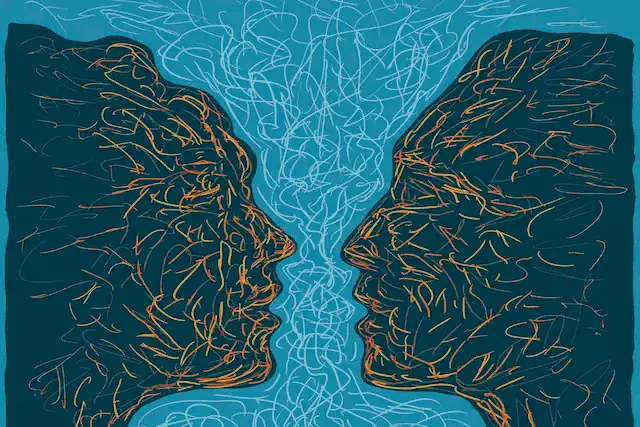
Though he had managed baseline anxiety for years, the structural pressures of his new life triggered a physiological shift. Without warning, physical tremors rippled through his body. Soon, full-blown panic attacks took hold—characterized by sudden surges of adrenaline, tightening chests, and terrifying sensations of suffocation.
Seeking Answers in Vain
The panic began to dictate his daily existence. Concentration evaporated from lecture halls and workplaces. After fleeing a movie theater half-way through a screening out of sheer terror that he could not breathe, he sought help. Initial short-term therapy sessions provided little immediate relief or explanation for the internal storm he was experiencing.
Overwhelmed and convinced he was failing at life, Dr. Shapiro abandoned his master’s program after a single semester. Packing his belongings into his car, the twenty-two-year-old drove back home to Florida, carrying his unresolved trauma and unceasing panic right back with him.
The Banyan Tree Sanctuary
Adrift, directionless, and feeling as though his mind and body were perpetually on fire, Dr. Shapiro sought refuge in a nearby local park featuring a small pond and a massive, ancient banyan tree.
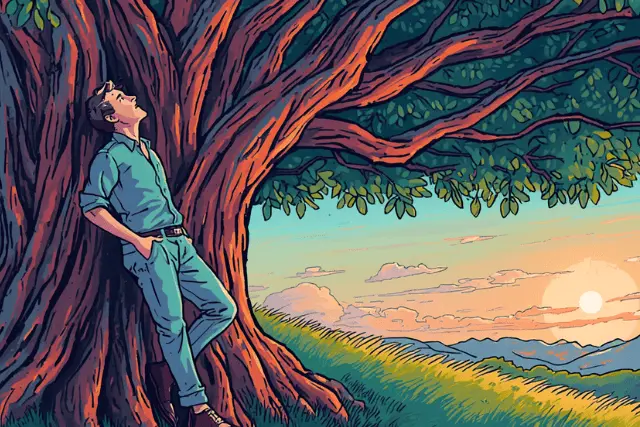
Unlike conventional trees that grow strictly upward, banyan trees drop secondary aerial roots from their sprawling branches, anchoring them into the soil to form living pillars. To the young, anxious graduate, the tree resembled a living cathedral, its outstretched limbs offering shelter. One afternoon, he climbed into the central fork of the branches and sat.
For the first time in months, an unfamiliar sensation washed over him: absolute peace. Leaning against the rough bark, he experienced a visceral sense that the tree was absorbing his internal static and transferring it harmlessly into the earth.
The Act of Tending
Subsequent visits revealed a troubling detail: visitors had driven rusty nails deep into the tree’s trunk over the years. Viewing these punctures as acts of violence against a silent, generous protector, Dr. Shapiro began a quiet campaign of remediation.
Climbed high into the branches, he pried out old, rusted iron and newer spikes alike. In the physical act of caring for the tree, his mental landscape shifted. His panic attacks began to recede in frequency and intensity. Even away from the park, simply closing his eyes and visualizing the banyan tree allowed his racing physical symptoms to subside.

Passing the Torch
Decades later, after building a career, marrying, and becoming a father, Dr. Shapiro returned to the park—this time with his own children. His daughter christened the banyan tree "Nelly." Watching his children climb the exact same branches that once cradled him through his darkest season cemented a profound realization: healing is sustained and magnified when it is passed forward.
Supporting Data: The Science of Eco-Therapy
Dr. Shapiro’s personal journey aligns seamlessly with emerging empirical data regarding the physiological and psychological benefits of nature immersion.
- The Physiology of the Outdoors: Research published in environmental health journals indicates that spending as little as 20 to 30 minutes in green spaces significantly reduces salivary cortisol levels—the body’s primary stress hormone.
- The Antidote to Rumination: Clinical studies utilizing functional neuroimaging show that nature walks decrease activity in the subgenual prefrontal cortex, a region of the brain associated with repetitive, negative self-referential thought (rumination), which is a core engine of anxiety and depression.
- Attention Restoration Theory (ART): Developed by environmental psychologists Rachel and Stephen Kaplan, ART suggests that urban environments demand "directed attention," which quickly exhausts cognitive reserves. Natural environments, conversely, engage "soft fascination"—effortless attention paid to moving leaves, ripples on a pond, or the texture of tree bark—allowing the brain’s directed attention mechanisms to rest and repair.
In Dr. Shapiro’s case, the act of pulling rusty nails from the banyan tree forced his brain out of internal threat-monitoring mode and into task-oriented, outward-focused engagement. By shifting his question from "How do I make this terrifying feeling stop?" to "What needs my attention right now?" he inadvertently practiced a form of somatic mindfulness long before it became a clinical buzzword.
Official Responses and Expert Perspectives
Mental health professionals and wellness advocates have increasingly championed the integration of ecological practices into clinical frameworks.
Dr. Elena Vance, a clinical psychologist specializing in somatic and anxiety disorders, notes that anxiety fundamentally traps individuals inside an internal feedback loop.
"Anxiety tells you that your body is a battleground," Dr. Vance explains. "Patients monitor their heart rates, scan their breathing, and hyper-focus on impending doom. When a patient can redirect that acute focus outward—whether through gardening, animal care, or ecological stewardship like tending to a tree—the nervous system receives a powerful signal that the immediate environment is safe. The ego steps down from its guard post."
Similarly, environmental conservation advocates point to the reciprocal nature of Dr. Shapiro’s experience. Modern ecotherapy models argue that human mental health is inextricably linked to ecological health. When individuals perceive themselves as stewards of nature rather than passive consumers of outdoor recreation, they experience a deeper sense of belonging, purpose, and existential grounding.
Implications for Modern Mental Health Care
The implications of Dr. Shapiro’s story extend far beyond an individual anecdote; they offer a blueprint for rethinking how contemporary society approaches mental health, burnout, and emotional resilience.
1. Moving Beyond Hyper-Internalization
Modern wellness culture often encourages relentless self-optimization, introspection, and emotional auditing. While self-awareness is vital, over-analyzing every psychological symptom can inadvertently trap a person in a loop of hyper-vigilance. Dr. Shapiro’s narrative demonstrates that true relief often arrives precisely when we stop monitoring ourselves and begin actively caring for something outside of ourselves.
2. The Rediscovery of Communal and Ecological Anchors
As urban density increases and populations become increasingly isolated behind digital screens, rates of alienation and anxiety continue to spike. The accessibility of public parks, community gardens, and natural green spaces must be viewed not merely as recreational amenities, but as vital public health infrastructure.
3. Intergenerational Resilience
By bringing his children back to "Nelly" the banyan tree, Dr. Shapiro illustrated the power of intergenerational healing. Passing down spaces of sanctuary and practices of environmental stewardship ensures that future generations inherit not just the burdens of modern life, but the timeless tools required to endure and transcend them.
Conclusion
Decades after his initial struggles in Philadelphia, Dr. Daniel H. Shapiro’s banyan tree—Nelly—still stands beside its quiet Florida pond. The rusty nails are gone, but the enduring lesson remains etched into its sprawling roots.
Healing does not occur in clinical isolation, nor is it achieved solely through endless internal battle against one’s own fears. By looking outward, engaging with the natural world, and offering our attention to the vulnerable, living systems around us, we may just discover that the quiet grace we are trying to give to the world is quietly healing us in return.