








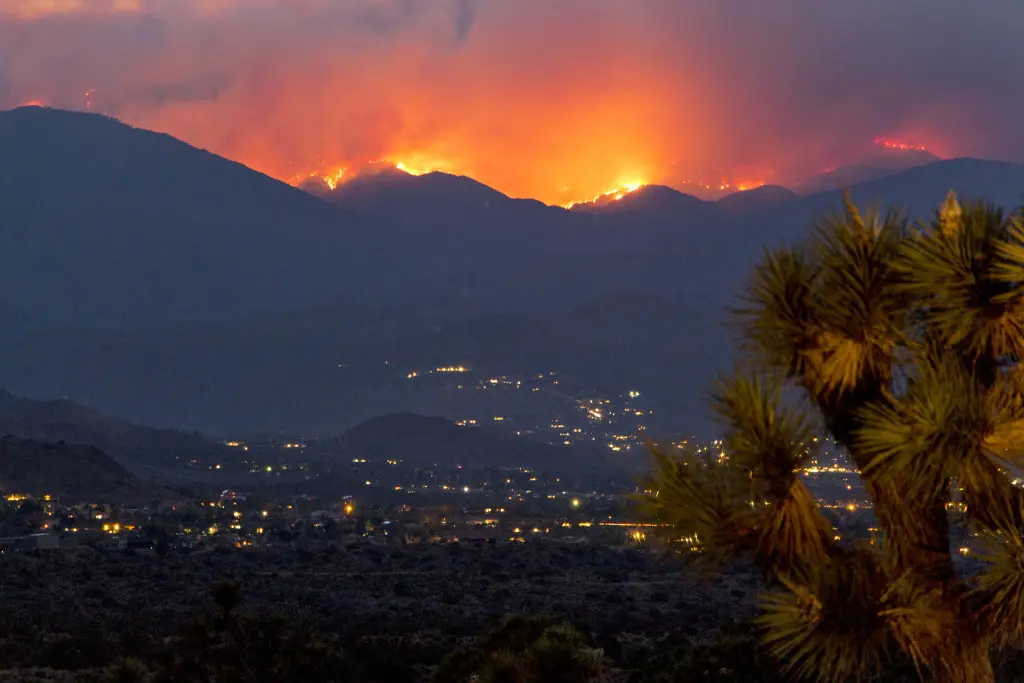
ATHENS, GREECE — As the northern hemisphere reaches the zenith of summer heat, a profound shift is rippling through Earth-based spiritual communities. For centuries, the cross-quarter festival of Lammas (or Lughnasadh) and the astrological peak of Leo season have been honored with blazing bonfires—symbols of solar potency, transformation, and the first harvest. However, in an era defined by intensifying climate extremes, relentless droughts, and encroaching wildfires, contemporary practitioners are being forced to reevaluate their sacred traditions.
Elyse Welles, a nomadic writer, poet, and high priestess of an eclectic Faery Tradition coven based between Athens, Greece, and Pennsylvania, has ignited a vital conversation within modern Paganism. Following a harrowing close encounter with a wildfire raging less than a kilometer from her Greek home, Welles has issued a passionate call to action: Earth-centered spiritualities must evolve, moving away from destructive rituals and toward active, grounded environmental stewardship.
Main Facts: The Intersection of Faith, Tradition, and Climate Reality
The core of Welles’s message centers on the stark contrast between traditional seasonal celebrations and the current ecological crisis. Modern climate indicators reveal a planet under severe stress. Record-breaking summer temperatures, prolonged droughts, and hyper-dry soils are no longer anomalies; they are the new normal.

- The Wildfire Crisis: From the scorched hillsides of Greece to the smoke-choked skies of major urban centers, wildfires have become an annual trauma. In regions already devastated by drought, traditional open-air rituals and bonfires pose an unacceptable risk to local ecosystems and human communities alike.
- Spiritual Adaptation: Welles argues that maintaining the status quo out of a sense of tradition—akin to the rigid energy of the Hierophant card in the Tarot—is antithetical to the core tenets of Paganism, Druidry, and witchcraft. If these paths are fundamentally rooted in a reverence for the Earth, practitioners must listen to the planet’s distress signals rather than prioritizing human desires or historical reenactments.
- The Fever Metaphor: Welles conceptualizes modern wildfires not merely as natural disasters, but as a planetary "fever"—a systemic response to the ecological illnesses inflicted by human industrialization. In this framing, humanity must choose to become the medicine rather than the pathogen.
Chronology: From Complacency to Confrontation
The realization that traditional practices must adapt to a warming world did not happen overnight. It has been forged through a series of escalating environmental touchstones witnessed by practitioners across the globe.
Early Summer 2022–2026: The Signs in the Infrastructure
The warning signs of environmental collapse have steadily infiltrated daily life. During extreme heatwaves in the United Kingdom, infrastructural failures became visible manifestations of climate change, such as rubber seals melting on train car doors and official warnings posted on plasticized banners declaring that the soil was too dry to safely support transit. These markers, permanent and industrial, signaled that governing bodies do not expect the ecological crisis to abate.
The Immediate Threat: Athens, Greece
For Welles, the paradigm shift crystallized when a wildfire breached the perimeter of her neighborhood, coming within a kilometer of her residence. Panic and anxiety, she noted, offered no practical defense against the advancing front. Instead, survival and resilience required active engagement: grieving with the land, consulting weather patterns, grounding deeply, and employing spiritual protections to safeguard the home.

The Shift in Seasonal Rituals: Lammas 2026
As the 2026 Lammas season approaches, Welles and a growing number of earth-focused spiritual leaders are advocating for a deliberate pivot away from physical fire. By substituting live flames with alternative, non-destructive spiritual practices and lifestyle modifications, these communities aim to model a sustainable ethos for future generations—ensuring that children growing up amidst climate degradation can still witness active healing rather than passive destruction.
Supporting Data and Observations: The Toll of Extremes
The visual and statistical evidence supporting Welles’s assertions is stark and widely documented by environmental agencies worldwide.
- Atmospheric and Soil Stress: Meteorological data across Southern Europe and North America confirms that consecutive years of below-average rainfall have created unprecedented dryness in forest floors and agricultural topsoil. This transforms ordinary lightning strikes or human negligence into catastrophic, fast-moving infernos.
- Urban Air Quality Impacts: Smoke plumes from seasonal wildfires routinely travel hundreds of miles, casting an eerie red sun over major metropolitan areas—such as Miami and Athens—and degrading air quality for millions of vulnerable residents.
- Resource Consumption of Modern Technologies: In her comprehensive guide to modern ecological accountability, Welles highlights unexpected resource drains in the digital age. Notably, generative Artificial Intelligence (AI) systems have emerged as massive consumers of fresh water for cooling data centers, prompting her to urge eco-conscious individuals to minimize or eliminate AI usage as part of their environmental resistance.
Official Responses and Grassroots Solutions
While international climate summits often stall in bureaucratic gridlock, grassroots spiritual communities are uniquely positioned to enact localized behavioral changes. Welles emphasizes that resistance need not be grand or performative; it begins with intentional daily choices.

Spiritual Alternatives to Live Fire
For practitioners determined to honor the fire and harvest festivals without endangering the landscape, Welles offers several targeted spiritual methodologies:
- Weather and Element Mediation: Rather than indiscriminately calling for rain—which can trigger flash flooding in drought-stricken areas or disrupt emergency evacuations—practitioners should understand their local climate. Focus can instead be directed toward calming the high winds that spread fires or asking fire spirits to quell and release their energy.
- Auditory and Somatic Connection: Utilizing drumming, grounding exercises, walking meditations, and silent prayer helps practitioners anchor themselves into the earth, echoing the oracle traditions of their ancestors.
- Water Blessings: Pouring water libations onto the land symbolizes the deliberate invitation of nourishing rain, paired with vocalized gratitude when precipitation finally arrives.
Practical Steps for Everyday Resistance
True ecological stewardship extends far beyond the ritual circle. Welles outlines a pragmatic, twelve-step blueprint for reducing individual carbon and waste footprints:
- Optimize Municipal Recycling: Verify local township guidelines to ensure materials are recycled correctly.
- Support Local Agriculture: Subscribe to community-supported agriculture (CSA) farm co-ops to reduce the transport mileage of food.
- Ditch Disposable Paper: Replace default paper towel usage with washable cloths, and transition to bamboo toilet paper or bidets.
- Reevaluate Plastics: Wash and reuse existing plastic bags, or replace them entirely. Eliminate single-use plastic water bottles in favor of reusable containers.
- Mindful Packaging: Opt for beeswax or silicone food covers instead of single-use plastic cling wrap. If disposable plates or cutlery must be used for rare gatherings, choose compostable bamboo alternatives.
- Commit to Composting: Divert organic waste from landfills to significantly reduce methane emissions.
- Curb Consumerism: Buy less overall. Reduced consumption signals corporate supply chains to manufacture fewer goods, thereby curbing fossil fuel utilization and manufacturing waste.
- Avoid Digital Waste: Refrain from generating AI-based imagery and minimize AI integration to conserve vital water resources.
- Halt Eco-Consumption Traps: Avoid purchasing newly manufactured "eco-friendly" gadgets if existing household items can still serve the purpose.
- Educate and Speak Up: Gently guide loved ones toward sustainable alternatives when observing environmentally harmful habits.
Implications: The Future of Earth-Based Faiths
The intersection of modern climate trauma and ancient spiritual traditions points toward a necessary evolution in how humans relate to the sacred. As Welles observes, the traditional archetype of the Hierophant teaches obedience to established structures, but true spiritual maturity demands adherence to core values—chief among them, the preservation of a living, breathing Earth.

If contemporary Paganism, witchcraft, and earth-worship are to remain relevant in a destabilized climate future, they must shed dogmatic attachments to practices that actively harm the biosphere. By reframing rituals to prioritize ecological health, fostering inclusive community support, and committing to unglamorous daily conservation, earth-based practitioners can transform their spiritual paths into active agents of healing.
As Welles concludes: "We are one with the earth, and no act of resistance is too small. The only embers I want to see spreading this month are the sparks of motivation to do better for the earth."