








Main Facts
In this week’s comprehensive edition of Pagan Community Notes, published by The Wild Hunt on August 13, 2026, the contemporary Pagan and esoteric community observes several major cultural and religious milestones. Centering on the ancient Feast of Diana, the weekly roundup also highlights the ongoing modern documentation of Pennsylvania German Braucherei (powwow) traditions by mainstream media outlets like National Geographic, personal reflections from community leaders on running for local public office, weekly cartomancy guidance, and major developments in folk-horror cinema.
Most notably, the film world is buzzing with the upcoming world premiere of Wrath of the Gods at London’s FrightFest on August 28, 2026. Directed by the late Emmy- and BAFTA-nominated filmmaker Justin Hardy, the movie serves as a spiritual successor and the final completion of a loose folk-horror trilogy initiated by his father, Robin Hardy, with the 1973 classic The Wicker Man.
However, this cinematic triumph is tempered by deep sorrow: director Justin Hardy tragically passed away from a heart attack on July 31, 2026, at the age of 61, just weeks before seeing his father’s long-lost vision realized on the big screen.

Chronology of Events and Historical Context
August 13: The Ancient and Modern Feast of Diana
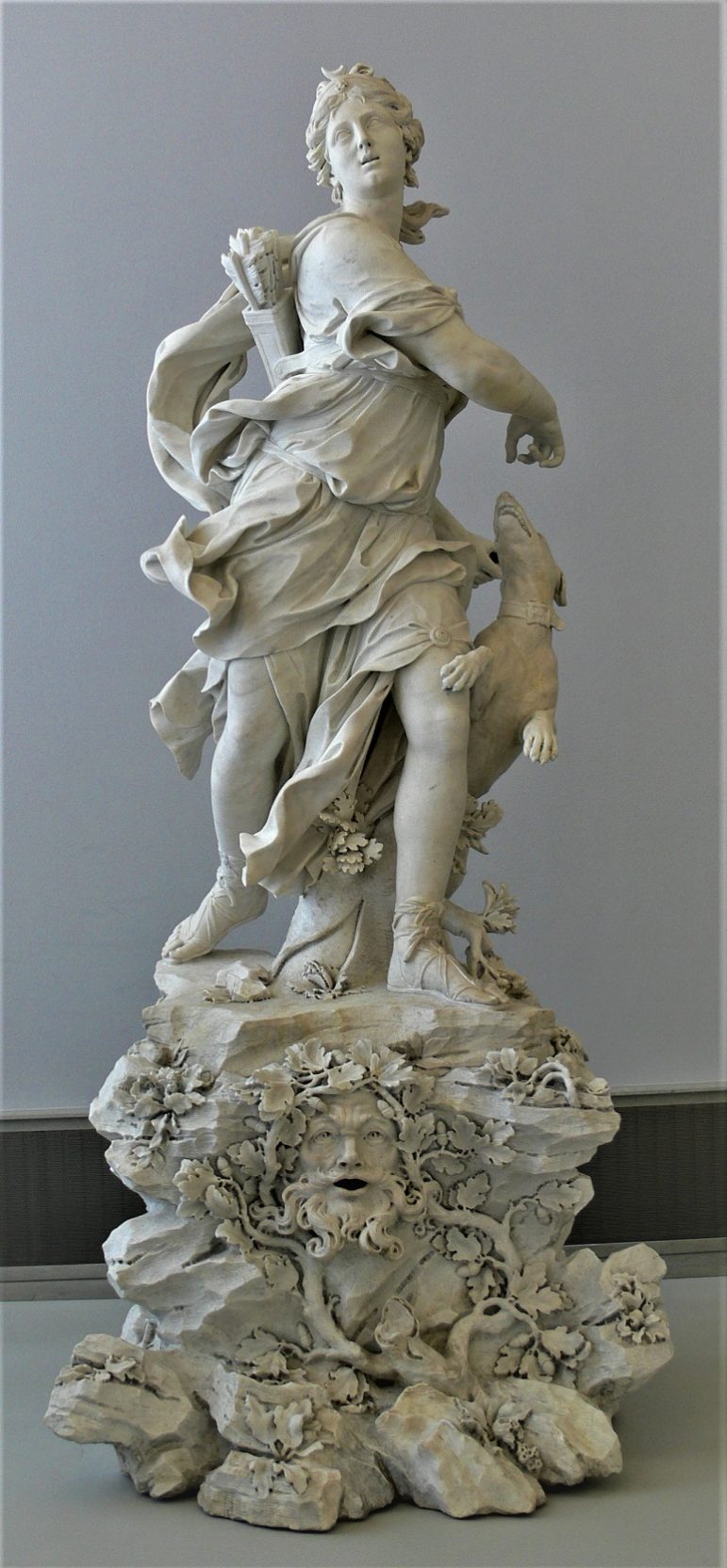
The date of publication, August 13, coincides with a historically significant feast day dedicated to Diana, the ancient Roman goddess of the hunt, the Moon, wilderness, childbirth, and female protection.
- Antiquity and Lake Nemi: Historically, this mid-August date—frequently linked with the Ides of August—was celebrated with great fervor at Diana’s sanctuary at Lake Nemi, located in the wooded volcanic crater south of Rome. Worshippers recognized her there as Diana Nemorensis (Diana of the Sacred Grove). The site served as a major religious hub for communities throughout the Latium region.
- The Aventine Hill and Enslaved Peoples: Beyond Nemi, Diana’s worship flourished at her prominent temple on Rome’s Aventine Hill, symbolizing political and religious cooperation among Latin communities. Ancient literary records indicate that Diana’s festival held special significance for enslaved individuals, who traditionally observed the day as a holiday.
- The Rex Nemorensis: Nemi’s complex mythology included the enigmatic priesthood of the Rex Nemorensis ("King of the Grove"), an escaped slave who secured his office by killing his predecessor and who could only be challenged in turn by breaking a bough from a sacred tree. This vivid narrative famously inspired Sir James George Frazer’s foundational 1890 anthropological study, The Golden Bough.
- Modern Observance: More than two millennia later, modern Pagans and polytheists continue to honor August 13. Contemporary celebrations range from ritual offerings and prayers to quiet contemplation in forests and wild landscapes, proving that the goddess’s ties to untamed nature remain vital to modern earth-centered spiritualities.
The Folk-Horror Legacy: From The Wicker Man to Wrath of the Gods
- 1973: Director Robin Hardy releases The Wicker Man, starring Edward Woodward as Sergeant Howie and Christopher Lee as Lord Summerisle. The film becomes a cinematic touchstone, uniquely treating the philosophical and theological tensions between orthodox Christianity and indigenous Paganism with genuine intellectual weight.
- 2011: Robin Hardy releases The Wicker Tree, expanding upon the thematic universe of the original film and cementing its status as a loose cinematic exploration of clashing worldviews.
- Posthumous Discovery: Following Robin Hardy’s death, his sons Dominic and Justin Hardy unearth scripts, notes, and correspondence among his personal papers. Among these documents is a treatment originally conceived as a story about a corporate entertainment giant attempting to construct a theme park inside an extinct Icelandic volcano, only to face a violent uprising by ancient Norse deities.
- July 31, 2026: Justin Hardy tragically passes away from a heart attack at age 61, mere weeks before the completion of his masterwork.
- August 10, 2026: Entertainment publication NME officially announces the upcoming release of Wrath of the Gods.
- August 28, 2026: Wrath of the Gods is scheduled for its world premiere at London’s prestigious FrightFest, realizing the ultimate vision of the Hardy family for The Wicker Man universe.
Supporting Data and Production Background
The production of Wrath of the Gods represents a deeply collaborative family effort that shifted from its original Icelandic concept to a more grounded, visceral narrative rooted in British folklore.
- Setting and Plot: Relocated from Iceland to the remote Scottish island of Hel (with principal photography taking place in the rugged landscapes of Shetland), the film follows Anna, a grieving widow traveling to the isolated community to bury her husband following his suicide.
- Thematic Parallels: Much like Sergeant Howie in the 1973 original, Anna arrives as an outsider within an insular, tight-knit society. As children begin to mysteriously disappear, the local community casts suspicion upon her, turning the narrative into a tense exploration of ethical horror and child abduction rather than a simple carbon-copy of The Wicker Man‘s narrative mechanics.
- Cast and Crew:
- Original Vision: Robin Hardy (Director of The Wicker Man)
- Development and Adaptation: Dominic Hardy and Justin Hardy (Co-creators and sons of Robin Hardy)
- Direction: Justin Hardy (Emmy- and BAFTA-nominated filmmaker)
Official Responses and Statements
The sudden loss of director Justin Hardy has cast a bittersweet shadow over the release of Wrath of the Gods, prompting emotional reflections from his family and collaborators regarding his legacy and the enduring cultural impact of his father’s work.

In the official teaser trailer released on YouTube, the production team highlighted the film’s provenance:
"Emmy and BAFTA-nominated director Justin Hardy has revealed Wrath of the Gods, a new British folk horror film inspired by a concept discovered in a recently unearthed script written by his late father, The Wicker Man director Robin Hardy… [It] will have its world premiere at FrightFest 2026, and finally complete his father’s true vision for The Wicker Man."
Reflecting on the deeper artistic motivations behind the project, Dominic Hardy spoke with NME about how his father approached religious themes in film:

"Embracing a confrontation between Paganism and Christianity, the original film treated both belief systems as serious ideas rather than superficial horror devices."
Dominic also noted that more than five decades after its troubled initial distribution and production history, The Wicker Man has successfully broken free of its early industry hurdles to become an autonomous cultural icon that "lives on its own."
Broader Implications for Modern Pagan and Cultural Landscapes
The events featured in this week’s Pagan Community Notes point to significant cultural shifts in how esoteric practices, ancient mythologies, and modern media intersect:
- Mainstream Visibility of Folk Traditions: Beyond the cinematic sphere, media explorations like National Geographic turning their lens toward the revival of Braucherei (Pennsylvania German folk magic and healing) demonstrate a growing mainstream appetite for authentic, historical folk spirituality. This visibility helps demystify traditional folk practices for a global audience.
- Civic Engagement Among Pagans: Reports of community figures like Mortellus stepping forward to run for local public office signal an increasing civic maturity within modern Paganism. Practitioners are moving beyond insular community spaces and actively participating in local governance, advocating for their neighbors, and normalizing Pagan presence in civic life.
- The Evolution of Folk Horror as Theological Discourse: The completion of the Hardy family’s folk-horror trilogy via Wrath of the Gods underscores a lasting artistic hunger for narratives that take non-Christian spiritualities seriously. By framing ancient Norse and Celtic worldviews through lenses of ecological retribution, community insularity, and grief, modern cinema continues to reflect contemporary anxieties concerning human impacts on the natural world—themes that remain deeply intertwined with modern Pagan ethics.
As the community honors the ancient legacy of Diana in the fields and forests, the convergence of local political participation, traditional folk revival, and cinematic storytelling proves that contemporary Paganism is as dynamic, engaged, and culturally relevant as ever.