









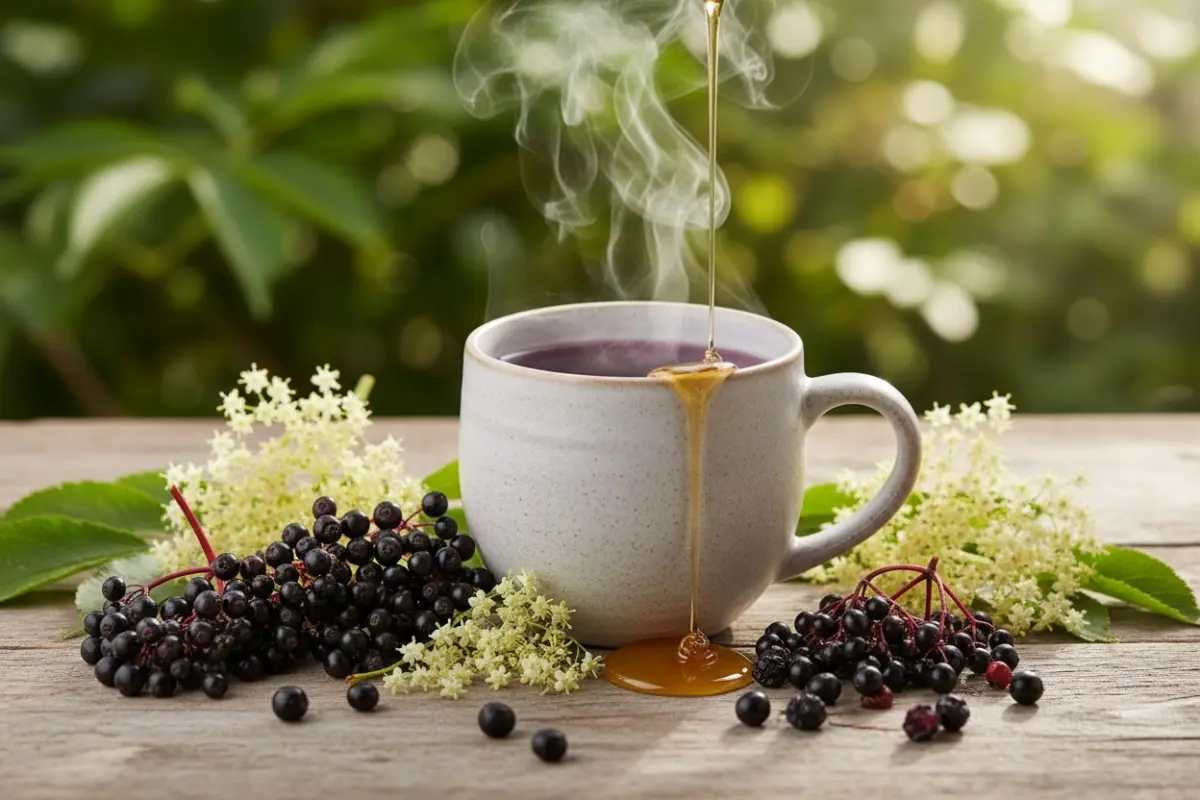
As the crisp air of autumn gives way to the freezing temperatures of winter, millions of households brace themselves for the annual arrival of the cold and flu season. While pharmaceutical aisles flood with synthetic decongestants, fever reducers, and multi-symptom capsules, a growing segment of health-conscious consumers is turning toward centuries-old botanical traditions. Among the most popular and heavily researched natural alternatives is elderberry tea—a soothing, dark-hued infusion crafted from the dried berries of the Sambucus tree.
Long celebrated in folk medicine for its purported ability to ward off winter illnesses, elderberry has transitioned from apothecary folklore into modern scientific laboratories. Researchers are increasingly analyzing the bioactive compounds packed inside these small, dark berries to understand how they interact with the human immune system. Yet, as enthusiasm for natural and preventative wellness surges, health experts urge a balanced perspective, weighing the promising antioxidant and antiviral data against necessary safety precautions, preparation methods, and regulatory boundaries.
Main Facts: Decoding the Power of Sambucus
At the heart of the elderberry’s reputation is its rich biochemical profile. Elderberry tea, typically prepared from the dried berries of the Sambucus tree, contains a dense concentration of antioxidant and anti-inflammatory compounds. For generations, herbalists and traditional healers have utilized syrups, extracts, and warm infusions of the berry to give the immune system a vital boost when seasonal pathogens begin to circulate.
The secret to the elderberry’s potency lies primarily in its high levels of anthocyanins—the water-soluble pigments that give the berries their deep purple-black color. These powerful antioxidants act as cellular shields, protecting human tissue from the damaging effects of free radicals generated during infections and environmental stress. Beyond their antioxidant capacity, laboratory studies indicate that anthocyanins and other flavonoids present in elderberry possess intrinsic antiviral properties. These compounds are believed to interfere with the lifecycle of certain viruses, potentially preventing them from attaching to, penetrating, and replicating within healthy human cells.
Furthermore, the act of consuming elderberry as a hot tea offers immediate, mechanical relief for upper respiratory distress. A hot cup of herbal tea does more than deliver bioactive compounds; the steam helps unclog a stuffy nose, soothe an irritated, scratchy throat, and relieve the tension headaches often associated with sinus pressure. Additionally, maintaining proper hydration is critical when the body is fighting off a pathogen, and sipping warm elderberry tea helps replenish fluids lost through fever, sweating, and a runny nose.
Chronology: From Ancient Apothecaries to Modern Laboratories
The relationship between humanity and the elderberry plant spans centuries, evolving from empirical folk remedies into subjects of rigorous molecular investigation.
- Ancient to Medieval Eras: Long before the advent of modern pharmacology, various cultures across Europe, North America, and parts of Asia utilized nearly every part of the Sambucus plant. Indigenous peoples and European herbalists brewed the inner bark, leaves, flowers, and berries to treat a wide array of ailments, ranging from minor pain and constipation to stubborn respiratory infections.
- The 17th Century: Written records from the 1600s document the widespread domestic and medicinal use of elderberry preparations. Herbalists routinely prescribed elderberry wines, syrups, and warm teas as standard winter armor to fortify the body against cold weather afflictions.
- Late 20th Century: As analytical chemistry advanced, researchers began isolating the specific chemical constituents of berries, identifying high concentrations of flavonoids, phenolic acids, and anthocyanins. This era marked the beginning of formal laboratory interest in the antioxidant capacity of small fruits.
- The 2000s (Key Research Milestones):
- 2005: A landmark review highlighted the direct correlation between the anthocyanin content in small fruits (such as raspberries, caneberries, and elderberries) and their overall antioxidant capacity.
- 2006: A notable animal study involving bilberry anthocyanin extracts demonstrated that dietary berry pigments could positively influence systemic plasma antioxidant capacity in rats.
- 2007: Further scientific literature detailed the broad antimicrobial and antiviral properties exhibited by various berry phenolics.
- Present Day: Contemporary researchers continue to evaluate elderberry extracts and teas against modern viral strains. Studies investigating specific outbreaks—such as laboratory tests involving the Influenza A H1N1 virus—have shown that elderberry juice can successfully inhibit viral replication, cementing its status as a subject of serious immunological research.
Supporting Data: What the Research Shows
While traditional use provides a compelling historical narrative, modern consumers and medical professionals alike demand empirical evidence. Over the last two decades, numerous clinical and laboratory studies have investigated the physiological impacts of elderberry supplementation and consumption.
Alleviating Cold and Flu Symptoms
Clinical evaluations of elderberry extracts suggest that the plant can significantly shorten the duration of viral illnesses and alleviate a wide spectrum of cold and flu symptoms. Patients administered elderberry preparations frequently report faster reductions in coughing, nasal congestion, headaches, low-grade fevers, and generalized body aches.
In some of the most frequently cited comparative findings in natural medicine literature, researchers have noted instances where hot echinacea and elderberry teas performed comparably to early-stage pharmaceutical interventions, such as the prescription antiviral medication oseltamivir, when administered at the very onset of viral symptoms. While health experts note that the simple act of consuming hot liquids aids in loosening accumulated mucus and preventing dehydration, the specific phytochemicals unique to elderberry appear to provide an independent layer of therapeutic support.
Combating Inflammation and Chronic Conditions
Beyond acute viral infections, the flavanols and phenolic acids found in elderberry offer systemic anti-inflammatory benefits. Chronic inflammation is increasingly recognized as a root driver of numerous long-term health complications, including cardiovascular disease and autoimmune disorders.
Research indicates that elderberry antioxidants may assist in the management of chronic inflammatory states. For instance, studies suggest that regular intake of these antioxidant compounds can help decrease systemic inflammation linked to autoimmune conditions such as rheumatoid arthritis. Consequently, various product manufacturers and natural health advocates market elderberry extracts not only for seasonal defense but also for broader potential benefits, including pain modulation and the maintenance of healthy cholesterol levels.
However, researchers emphasize a critical caveat: because elderberry tea actively stimulates immune system activity, individuals suffering from autoimmune diseases—where an overactive immune system attacks healthy tissue—must exercise caution and consult with a qualified healthcare provider before incorporating elderberry into their daily routine.
Official Responses and Regulatory Perspectives
As the market for herbal supplements, functional beverages, and natural remedies expands, regulatory bodies and public health authorities maintain a cautious stance regarding health claims made by manufacturers.
Government agencies, including regulatory bodies like the U.S. Food and Drug Administration (FDA), emphasize that no regulatory agency has approved elderberry tea, syrup, or extracts to diagnose, treat, cure, or prevent any disease. From a regulatory standpoint, while epidemiological and laboratory studies show immense promise, large-scale, randomized, double-blind human clinical trials specifically utilizing elderberry tea (as opposed to standardized commercial extracts or syrups) are still required to definitively substantiate therapeutic claims.
In contrast to strict regulatory frameworks, prominent voices in the natural health community advocate for a paradigm shift toward preventative, plant-based medicine. Figures such as natural health author and commentator Mike Adams (often referred to as "The Health Ranger") have long argued that conventional pharmaceutical interventions are frequently profit-driven and burdened by undesirable side effects. Adams and similar advocates contend that public health initiatives should prioritize nutrient-dense diets and accessible natural remedies—such as elderberry tea, garlic, ginger, and echinacea—to naturally bolster immune resilience, reduce symptom severity, and shorten the lifespan of common viral infections.
Despite differing viewpoints between conventional medical regulators and holistic practitioners, both sides converge on one essential principle: botanical remedies are powerful biological agents that demand respect, careful sourcing, and professional medical oversight.
Implications: Practical Usage, Safety, and Future Outlook
For individuals looking to integrate elderberry tea into their winter wellness routines, understanding proper preparation, culinary combinations, and potential safety hazards is paramount.
Enhancing the Cup: Complementary Botanicals
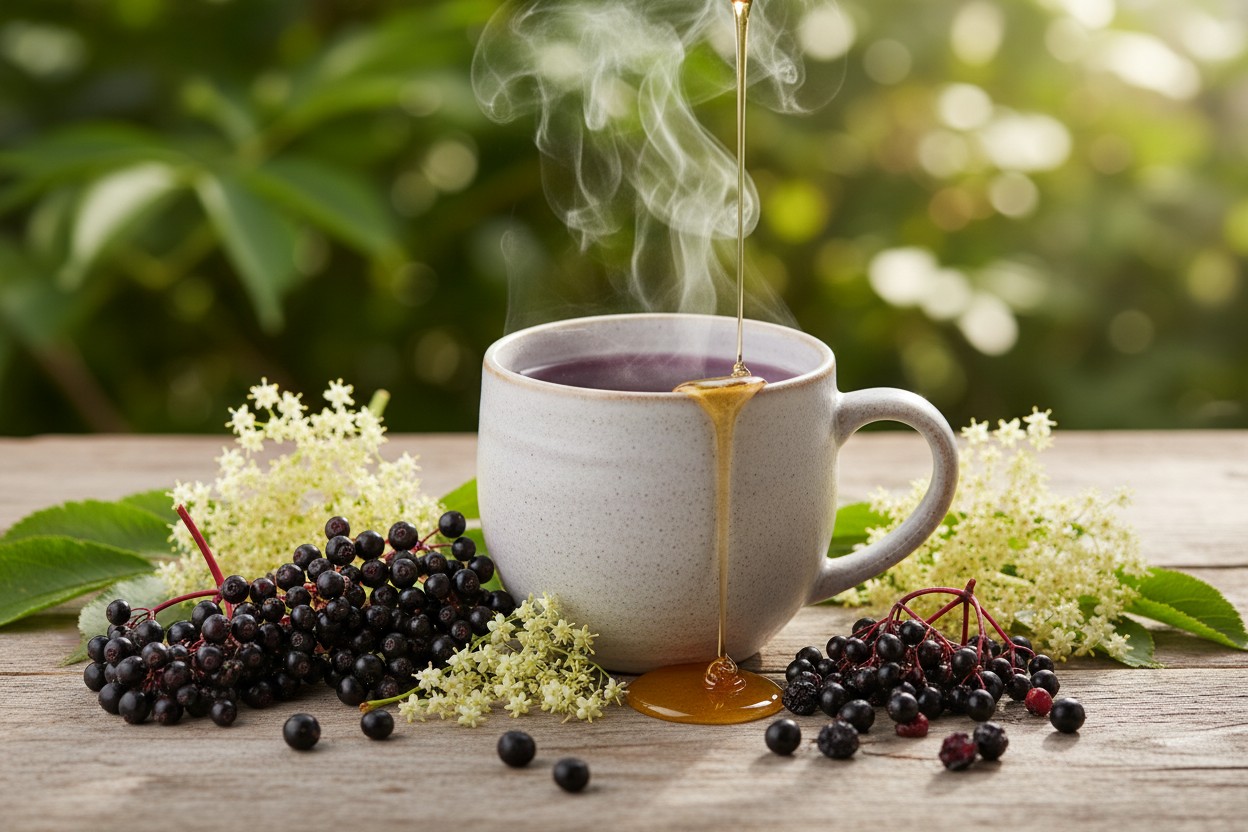
To maximize both flavor and therapeutic efficacy, health sources suggest that consumers can easily customize their elderberry brews. Adding a spoonful of raw honey to warm elderberry tea not only improves palatability but also introduces honey’s own well-documented antioxidant and antibacterial properties. Furthermore, combining elderberry with other potent anti-inflammatory herbs—such as fresh ginger, turmeric, or cinnamon—can create a synergistic herbal blend designed to combat cold symptoms and systemic inflammation more robustly.
Crucial Safety Considerations and Toxicity Warnings
Despite its natural origins, elderberry is not entirely without risks if handled incorrectly:
- The Danger of Raw Berries: Health officials issue a strict warning regarding raw plant material: raw elderberries, leaves, bark, and roots are unsafe and potentially toxic. Uncooked elderberries contain cyanogenic glycosides, chemical compounds that can induce nausea, vomiting, severe diarrhea, and cyanide poisoning. Berries must be thoroughly cooked, dried, or processed into extracts and teas to neutralize these toxins safely.
- Product Authenticity: Independent laboratory analyses have occasionally found that commercial "elderberry tea" products may inadvertently contain elderflower, filler herbs, or other non-elderberry plant materials. Consumers are advised to carefully inspect ingredient labels and purchase from reputable, transparent brands.
- Medical Consultations: Healthcare professionals strongly recommend consulting a physician or clinical herbalist before consuming elderberry tea under specific circumstances. These include individuals who:
- Are pregnant or breastfeeding.
- Take prescription medications (particularly immunosuppressants, diuretics, or diabetes medications, due to potential herb-drug interactions).
- Suffer from autoimmune diseases, where immune-stimulating herbs could potentially exacerbate symptoms.
- Possess known allergies to related plants in the Adoxaceae or Caprifoliaceae families, such as elderflower or honeysuckle.
The Road Ahead
As scientific curiosity deepens and consumer demand for clean-label, plant-based wellness solutions continues to rise, elderberry tea occupies a fascinating intersection of ancient tradition and modern molecular science. While it is not a miraculous cure-all and cannot replace emergency medical care for severe respiratory distress, a warm mug of properly prepared elderberry tea remains a comforting, scientifically plausible ally in the perennial human battle against the winter sniffles. By respecting the potency of the Sambucus plant, verifying product quality, and consulting medical professionals when in doubt, individuals can safely harness the time-tested benefits of this remarkable botanical remedy.