By the Editorial Wellness Desk Published as Part 2 of the Special Wellness & Energy Healing Series
Main Facts: Navigating the Energetic Anatomy
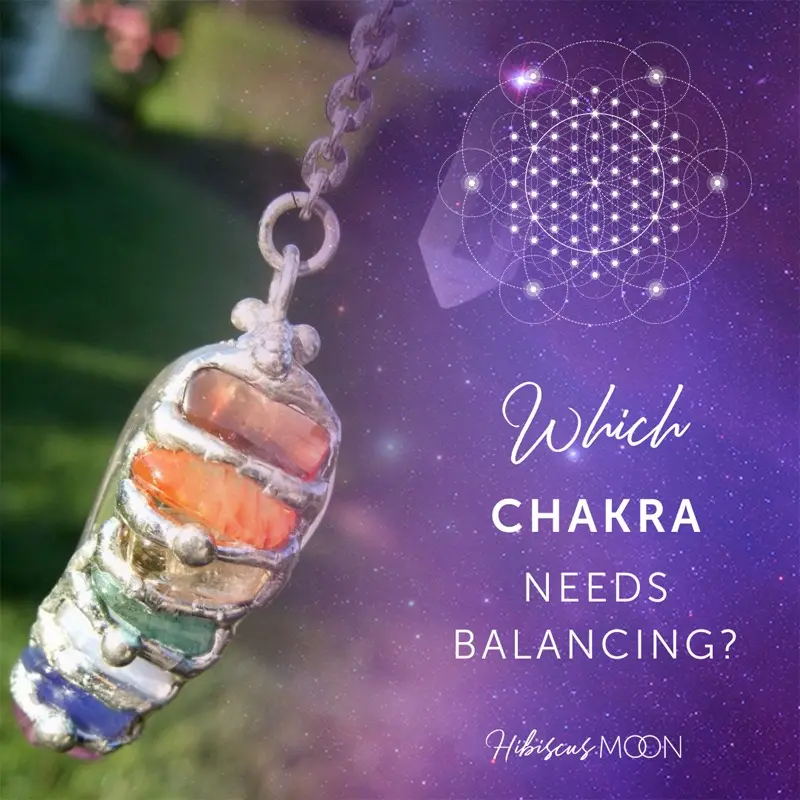
In the modern landscape of holistic health and wellness, energy medicine has transitioned from a fringe philosophy into a recognized complementary practice. Following our exploration of the underlying scientific principles of crystal chakra healing in Part 1, practitioners and wellness seekers alike arrive at a crucial crossroads: How do we accurately identify which specific chakra requires balancing?
The concept of chakras—derived from the Sanskrit word for "wheel"—refers to the spinning vortexes of energy located along the spinal column, running from the base of the spine to the crown of the head. When these energy centers flow freely, physical, emotional, and spiritual vitality follows. However, when stress, trauma, or daily lifestyle factors cause a chakra to become blocked, sluggish (hypoactive), or overactive, individuals frequently experience a cascade of systemic distress.
According to leading certified crystal practitioners and holistic educators, identifying an imbalance does not require innate mystical abilities. Rather, it is a systematic skill developed through four primary methodologies:
Standardized Chakra Diagnostic Tests
Symptom Analysis of Physical and Emotional Indicators
Dowsing and Energy Sensing (utilizing tools like pendulums)
Intuitive Development and Clair-Senses
By understanding and deploying these techniques—individually or in tandem—practitioners can pinpoint energetic blockages with remarkable precision and apply targeted modalities, such as crystal resonance, to restore equilibrium.
Chronology: The Evolution of Energy Assessment and Practice
To understand how modern seekers diagnose chakra imbalances, it is helpful to examine the historical and pedagogical evolution of energy assessment practices.
Ancient Roots (Vedic Period): The foundational understanding of chakras emerged in ancient India between 1500 and 500 BCE within the Vedic texts. For millennia, assessment was strictly internal, relying entirely on advanced yogic meditation, breathwork (pranayama), and direct guru-to-student transmissions.
Mid-20th Century Western Integration: As Eastern philosophies migrated to the West during the spiritual revivals of the 1960s and 1970s, practitioners began translating complex metaphysical systems into accessible frameworks. Authors and holistic pioneers began categorizing specific physical ailments and emotional patterns as correlates of specific energetic blocks.
The Rise of Digital and Structured Diagnostics (Late 20th – Early 21st Century): With the advent of the internet and standardized wellness coaching, chakra diagnostics evolved to include structured questionnaires and online assessments. These tools democratized the practice, allowing beginners to establish a baseline evaluation of their energetic health from home.
Contemporary Professionalization: Today, institutions such as certified crystal practitioner programs have formalized the study of energy sensing. Modern methodology incorporates tactile training, pendulum dowsing, and structured curricula to train individuals—regardless of their perceived "natural gifts"—in repeatable methods of energetic assessment.
Supporting Data: The Four Pillars of Chakra Identification
For those looking to move beyond guesswork, wellness experts outline four concrete avenues for evaluating chakra health.
1. Utilizing Chakra Diagnostic Tests
Online and print-based chakra questionnaires serve as an accessible entry point for beginners. These structured tests typically feature a series of behavioral, emotional, and physiological queries mapped to the seven primary chakras (Root, Sacral, Solar Plexus, Heart, Throat, Third Eye, and Crown).
The Methodology: Participants answer questions regarding their current life stressors, physical comfort levels, and emotional responses.
The Outcome: The test tallies scores to highlight which energy center is operating at a deficit or excess.
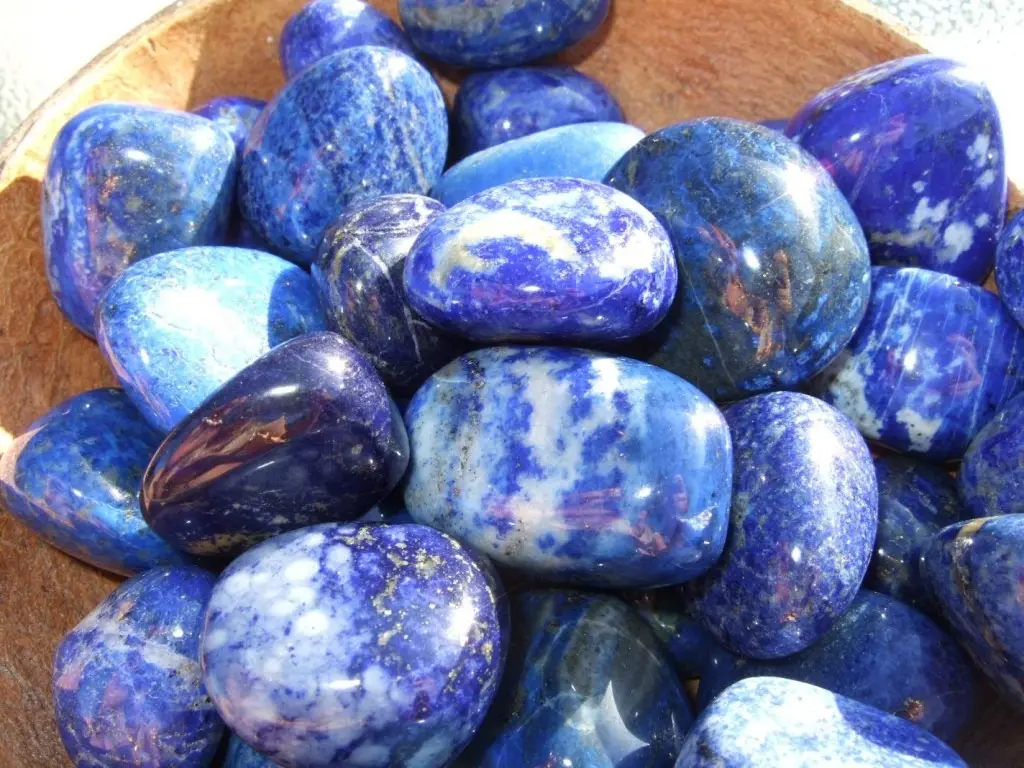
Actionable Step: Upon identifying the affected chakra, practitioners often select a corresponding gemstone (e.g., red jasper for the Root or amethyst for the Third Eye) to help clear stagnation and re-establish energetic flow.
2. Recognizing Glaring Physical and Emotional Syndromes
An energetic imbalance rarely manifests as an isolated symptom. Instead, experts emphasize that diagnosticians must look for a syndrome—a cluster of correlated physical ailments and emotional hurdles.
The Root Chakra (Muladhara): Governs survival, security, and grounding. Imbalances may present as chronic lower back pain, lethargy, or pervasive financial and existential anxiety.
The Heart Chakra (Anahata): Governs love, compassion, and connection. An imbalance can manifest physically as upper back tension or circulatory issues, paired emotionally with feelings of isolation, bitterness, or a lack of empathy.
The Solar Plexus Chakra (Manipura): Governs self-esteem, willpower, and digestion. Physical signs of distress often involve digestive disorders or chronic fatigue, accompanied by low self-worth or an overwhelming need for control.
Note: Renowned foundational guides such as Vibrational Healing Through the Chakras and The Crystal Healer serve as invaluable reference manuals for mapping these intricate mind-body correlations.
3. Energy Sensing and Pendulum Dowsing
While advanced energy sensing—such as aura scanning or tactile palm perception—requires dedicated training, foundational techniques like pendulum dowsing are widely accessible to everyday practitioners.
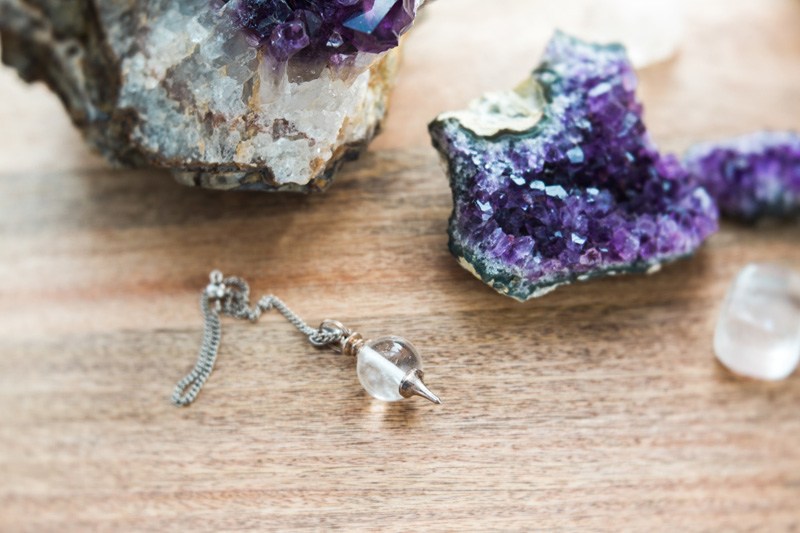
How It Works: A pendulum acts as an amplifier of subtle bio-electromagnetic fields. When held over a specific chakra point, the pendulum’s movement (such as swinging in a wide circle, a straight line, or remaining motionless) indicates the state of the underlying energy center.
The Training Curve: While professional certification courses teach comprehensive protocols for sensing whether a chakra is depleted, hyperactive, or blocked, beginners can readily learn pendulum basics with patience and consistent practice. As educators note, these skills are not reserved for the "energetically gifted"; they are muscles that strengthen with active use.
4. Tapping into Intuition and the Clair-Senses
Intuition is frequently described as an inner knowing. In the realm of energy work, this manifests through various clair senses—perceptual capacities that allow individuals to receive non-physical data. Common forms include:
Clairvoyance: Clear seeing (visualizing colors or symbols associated with energy blocks).
Clairaudience: Clear hearing (receiving internal guidance or intuitive auditory prompts).
Clairsentience: Clear feeling (physically sensing warmth, coolness, tingling, or pressure over a chakra center).
Just like physical musculature, intuitive faculties atrophy when ignored and expand rapidly when exercised through regular meditation and mindful attention.
Official Responses and Expert Perspectives
Holistic health educators emphasize that diagnosing an imbalanced chakra should always be approached with patience, self-compassion, and critical thinking.
"These chakra balancing and sensing techniques are not limited to ‘energetically gifted people,’" notes leading crystal educator Hibiscus Moon. "They are available to anyone willing to make a commitment to learning, spending the time to practice, and listening to the signs. You’ll find that over time and with practice, your abilities will grow and sharpen. It will become easier to identify which chakras are out of balance. You may even ‘just know’ without needing to check."
Furthermore, integrative health advocates advise combining methodologies to ensure accuracy. Rather than relying on a single test or passing physical symptom, practitioners recommend deploying a Chakra Consensus Model:
Utilize two or three distinct methods (e.g., taking an online assessment, reviewing physical symptoms, and consulting a pendulum).
If contradictory results emerge, introduce a third modality (such as intuitive meditation) and defer to the majority finding.
Implications: The Path Forward in Personal Wellness
The implications of mastering chakra identification extend far beyond esoteric self-care; they represent a proactive approach to mental and physical well-being. By learning to read the subtle biofield signals of the body, individuals can address energetic friction before it manifests as chronic physical illness or severe emotional burnout.
As practitioners build confidence in techniques like pendulum dowsing, symptom correlation, and intuitive sensing, they cultivate a deeper sense of self-agency. This self-awareness transforms wellness from a passive routine into an active, empowering dialogue between mind, body, and spirit.
Stay tuned for Part 3 of our Chakra Series, where we will explore advanced protocols for utilizing specific healing crystals to actively clear, balance, and harmonize your energetic centers.