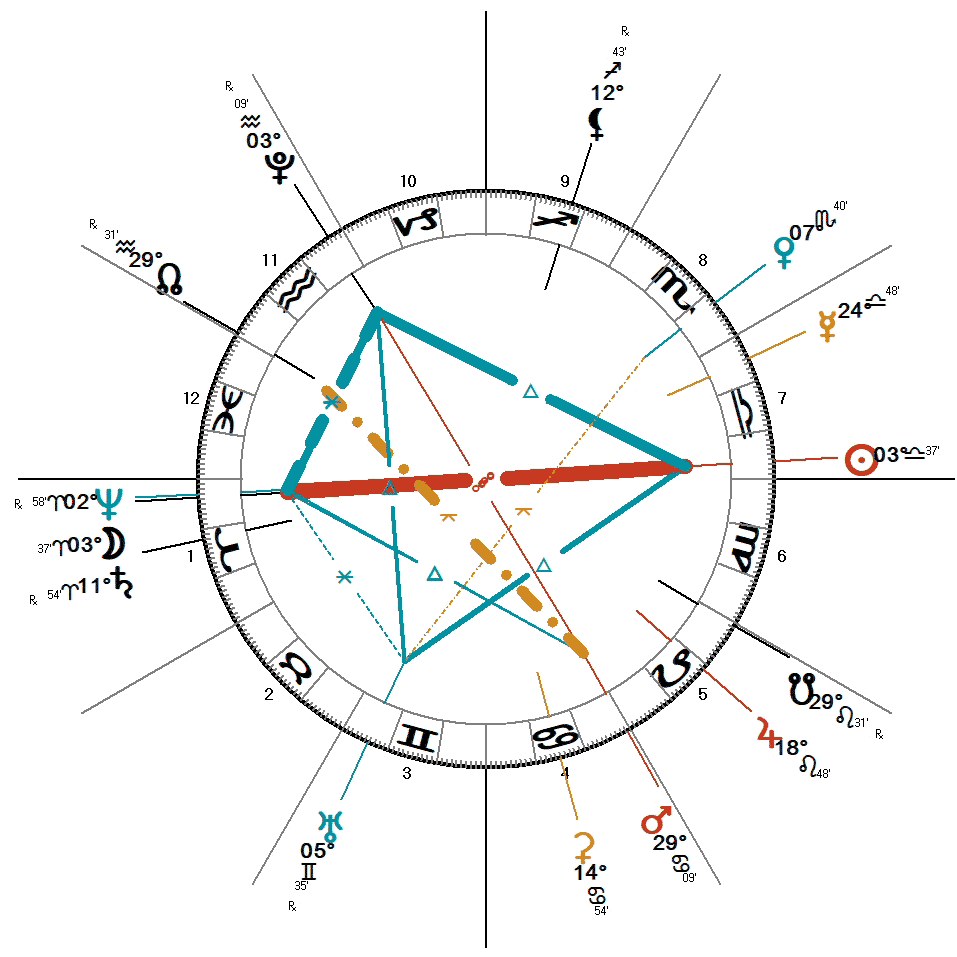











ASTROLOGY DESK — In the realm of astrological transits, few shifts create such a fascinating juxtaposition of elemental forces as the planet of raw drive moving into the sign of the tender crab. When Mars—the cosmic archetype of war, impulse, physical energy, and direct action—transits through the watery, cardinal sign of Cancer, the traditional imagery of the charging soldier undergoes a radical transformation. The warrior retreats behind castle walls. Here, action is guided by emotion rather than impulse, and courage is expressed through protection instead of conquest.
Mars no longer fights simply to win; it fights to defend. Home, family, memories, and emotional security suddenly become worth battling for, creating a transit that is at once deeply nurturing and surprisingly formidable. As this celestial cycle unfolds, astrologers, psychologists, and enthusiasts alike are closely monitoring how this planetary placement will influence collective behavior, personal relationships, and emotional processing on a global scale.
Main Facts: Decoding the Mars-Cancer Dynamic
To understand the weight of this transit, one must first examine the inherent contradiction—and ultimate synergy—between the planet and the sign. Mars in traditional astrology is ruled by Aries, a fiery, outward-expressing diurnal sign associated with speed, assertion, and direct confrontation. Cancer, conversely, is a nocturnal, cardinal water sign ruled by the Moon. It is deeply connected to the psyche, the domestic sphere, ancestors, and the instinct of self-preservation.
When Mars enters Cancer, its fiery energy does not extinguish; rather, it submerges. It takes on a hydraulic quality—pressurized, deep, and immensely powerful when unleashed.
- The Core Shift: Action pivots from external conquest to internal preservation. Initiative is sparked not by ambition or ego, but by emotional necessity.
- The Defensive Posture: While standard Mars transits encourage charging forward, Cancer’s protective nature redirects that energy toward safeguarding loved ones, preserving emotional bonds, and fortifying personal foundations.
- The Dual Nature: This transit reveals both our most tender and most tenacious sides, stirring buried feelings and providing the motivational fuel needed to stand up for what truly matters.
- The Shadow Side: Because Cancer is a sign of containment, frustration or anger under this influence rarely manifests as open aggression. Instead, it frequently surfaces as passive resistance, covert maneuvering, or a sudden, guarded withdrawal into a protective shell.
Chronology of the Shift: The Evolution of the Transit
Understanding how a planetary transit ripples through time requires looking at its developmental phases—from the initial ingress to the peak of its emotional friction, and finally to its integration and resolution.
Phase 1: The Ingress and the Raising of the Drawbridge
As Mars first steps across the threshold into Cancer, individuals often experience an immediate shift in their internal climate. The frantic, hyper-productive pace of the preceding weeks or months may begin to feel grating or unsustainable. There is a collective urge to pull back, check on loved ones, and secure the domestic environment. People find themselves auditing their living spaces, upgrading home security, or investing emotional and physical labor into family projects. The drawbridge goes up; the outer world is temporarily kept at a safe distance while internal priorities are sorted.
Phase 2: The Deep Waters and Unresolved Tensions
As the transit deepens, Mars encounters the heavier, more sensitive waters of Cancer. This is the period when the transit transitions from a cozy domestic retreat into a crucible for emotional growth. Suppressed resentments, old family dynamics, and historical wounds that were safely tucked away begin to surface. Because Mars represents how we handle anger, and Cancer represents the emotional archive of the past, this phase often triggers defensive reactions. People may become hyper-sensitive to perceived slights or threats to their emotional safety.

Rather than shouting matches, conflicts during this phase tend to be characterized by silent treatments, defensive walls, passive-aggressive remarks, or sudden emotional breakthroughs that clear the air after a prolonged period of brooding.
Phase 3: The Integration of Strength and Vulnerability
In the final stages of the transit, the initial friction gives way to a profound realization: vulnerability and strength are not mutually exclusive. The lessons of this period crystallize around the understanding that true resilience often looks like quiet endurance, gentle protection, and the courage to advocate for the vulnerable. Individuals emerge from this cycle with a clearer sense of what—and who—is truly worth fighting for, establishing firm emotional boundaries that safeguard their peace of mind for the long term.
Supporting Data: Psychological and Cultural Observations
While astrology operates outside the framework of empirical science, mental health professionals and cultural observers frequently note cyclical correlations between collective mood shifts and major planetary ingresses.
- Domestic Focus and Real Estate Trends: Historical data from astrological researchers indicates that transits involving Cancer tend to correlate with heightened consumer interest in the home. Home renovation projects, domestic security investments, and familial real estate decisions often see notable spikes during water-sign Mars periods.
- Conflict Resolution Styles: Workplace and relational mediators note that during Mars-in-Cancer cycles, interpersonal conflicts shift away from direct, aggressive negotiations. Instead, disputes frequently stem from emotional undercurrents, perceived lack of appreciation, or boundary violations within team structures. Mediation strategies that incorporate empathetic listening and emotional validation yield significantly better results during this time than rigid, rules-based approaches.
- The Rise of Protective Advocacy: Sociologically, this transit historically aligns with grassroots movements centered around community defense, child welfare, housing rights, and environmental protection of local ecosystems ("home" on a macro scale). The motivation to protect the vulnerable translates into fierce, highly localized activism.
Official Perspectives: Expert Astrological Analysis
Eminent astrologers emphasize that treating Mars in Cancer as a "weak" placement—a common misconception in traditional astrology, which designates Mars as being in its "fall" here—is a profound error.
"Mars in Cancer is not weak; it is specialized," notes a leading voice in modern archetypal astrology. "If Aries Mars is the soldier on the battlefield, Cancer Mars is the mother lifting a car off her child. The energy output is staggering, but it is entirely fueled by love, survival instincts, and fierce loyalty rather than glory or conquest."
Astrological consensus stresses that navigating this transit successfully requires honoring the body’s somatic signals. Because water signs store stress physically, tension during this transit often manifests in the chest, stomach, and digestive systems. Experts advise leaning into the nurturing qualities of the sign—such as cooking, spending time near natural bodies of water, therapy, and deep connection with trusted confidants—to channel the high-pressure energy constructively.
Furthermore, spiritual and philosophical frameworks often point to archetypes that embody this exact paradox of gentle power. In Eastern traditions, figures like the Bodhisattva of Compassion serve as the ultimate mirrors for this transit.
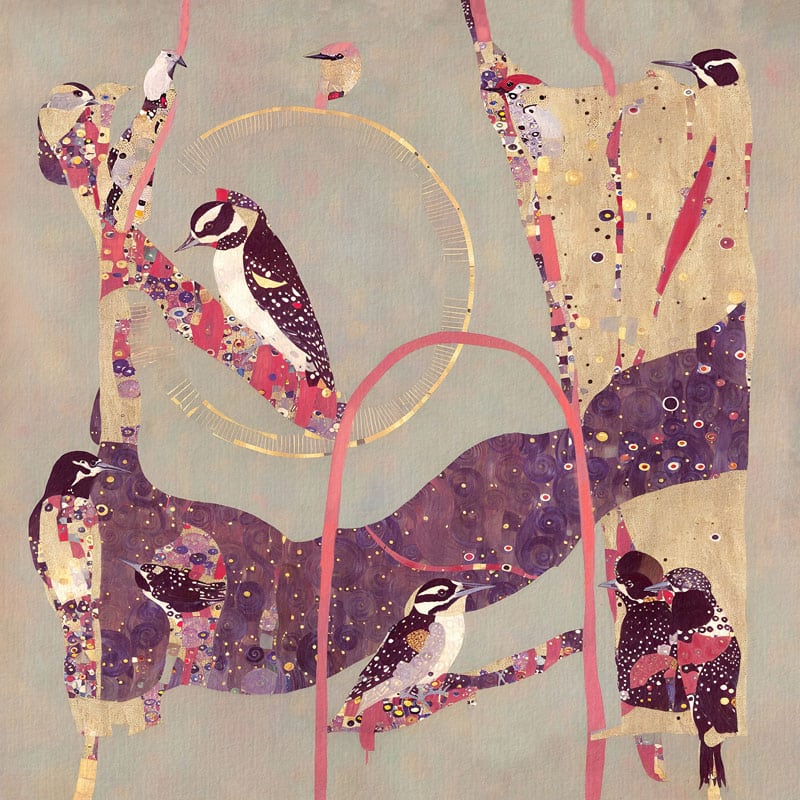
"Although Quan Yin is best known as the Bodhisattva of Compassion rather than a warrior deity, she beautifully reflects the higher expression of Mars in Cancer through her courageous protection of the vulnerable and unwavering devotion to nurturing life," notes astrological iconography specialist Marina Marchione. "Mars in Cancer channels its strength through emotional intelligence, fierce caregiving, and the instinct to defend home, family, and those in need. Like Quan Yin, this archetype demonstrates that true courage is not rooted in aggression but in compassion, resilience, and the willingness to act from the heart. Quan Yin reminds us that the greatest strength often lies in gentle protection, selfless service, and the quiet power of unconditional love."
Implications: How to Harness Mars in Cancer in Your Daily Life
As this transit makes its presence felt across the zodiac, individuals are encouraged to evaluate how the themes of protection, emotional security, and boundary-setting play out in their personal and professional lives.
1. Shift from Reaction to Intention
Because Mars impulses can easily be hijacked by emotional defensiveness under this transit, the primary implication is the need for a pause. Before reacting to a perceived slight, ask yourself: Am I fighting an actual threat, or am I reacting to an old emotional wound? Channeling energy into constructive self-care prevents unnecessary friction.
2. Strengthen Your Inner Sanctuary
Use this period to reinforce your emotional and physical foundations. Clean your living space, reconnect with supportive family members or chosen kin, and establish routines that nourish your mental health. A well-defended inner castle allows you to face the external world with calm assurance.
3. Advocate for the Vulnerable
Mars in Cancer is uniquely positioned to champion those who cannot speak for themselves. Whether through volunteer work, community organizing, or simply standing up for a colleague who is being marginalized, use your protective instincts to create safe spaces for others.
4. Transform Resentment into Compassion
Allow old grievances that bubble to the surface to be processed and released. Holding onto emotional baggage during a water-sign transit only increases internal pressure. By extending grace to yourself and others, you turn the pain of the past into profound, lasting emotional resilience.
Ultimately, the transit of Mars in Cancer reminds us that our deepest power does not live in our capacity to dominate, but in our fierce, unwavering capacity to love, protect, and defend what we hold most dear.