






Introduction: The Hidden Cost of Healing
In recent years, the global wellness market has experienced an unprecedented boom. Crystals, once relegated to specialty metaphysical shops and occult circles, have firmly entered the mainstream. From Instagram feeds of minimalist living rooms adorned with raw amethyst clusters to celebrities claiming rose quartz brings them inner peace, the demand for healing stones has skyrocketed.
However, beneath the aesthetic appeal and purported spiritual vibrations of these geological marvels lies a complex, often troubling reality. How are these stones extracted from the earth? Who mines them, under what conditions, and at what environmental cost?
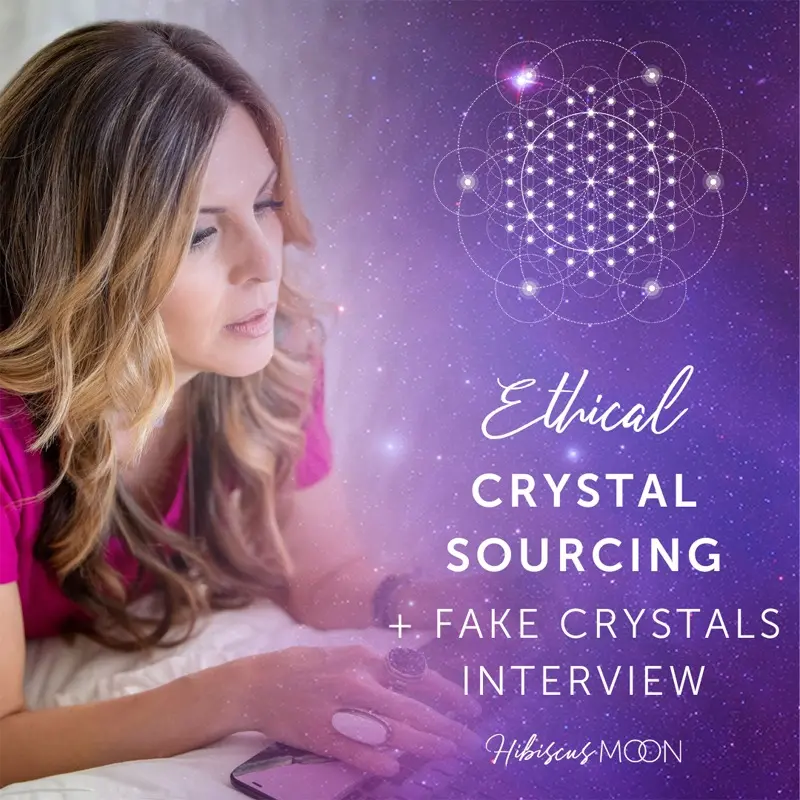
Recently, renowned crystal expert Hibiscus Moon sat down for a candid, hard-hitting live interview with Barbie—widely known in digital spaces as "Cold Brew Barbie"—to tackle these urgent questions head-on. Billed as a discussion of an "inconvenient truth," the conversation peeled back the glamorous layers of the crystal industry to examine what it truly means to practice ethical crystal sourcing in the 21st century.
Main Facts: The Anatomy of the Crystal Trade
The global crystal trade is a multi-billion-dollar industry, yet it operates with a surprising lack of regulation, transparency, and oversight compared to traditional commodities like diamonds or precious metals.
During their in-depth discussion, Hibiscus Moon and Cold Brew Barbie illuminated several core realities of the contemporary market:
- The Artisanal Mining Reality: A significant portion of the world’s crystals—particularly from regions in South America, Africa, and parts of Asia—is extracted not by large, heavily regulated corporations, but by artisanal and small-scale miners (ASM). While ASMs provide vital economic support for impoverished rural communities, they frequently operate without basic labor protections.
- Health and Safety Hazards: Miners often work deep underground without adequate ventilation, personal protective equipment (PPE), or structural safeguards. Conditions such as silicosis—a debilitating and fatal lung disease caused by inhaling silica dust during the extraction and cutting of quartz—are rampant in unregulated mining communities.
- Environmental Degradation: Unregulated mining can lead to severe ecological damage, including soil erosion, deforestation, habitat destruction, and the contamination of local water sources through toxic runoff.
- The Transparency Gap: Supply chains in the crystal industry are notoriously opaque. A single crystal may pass through the hands of dozens of middlemen, brokers, and wholesalers before reaching a retail shelf, making it nearly impossible for consumers—and often retailers—to trace the mineral back to the exact mine of origin.
Chronology: From Earth to Retail Shelf
Understanding how a crystal travels from a dark, subterranean cavern to a polished point on a boutique shelf helps contextualize why ethical sourcing is such a difficult standard to enforce. The lifecycle of a retail crystal typically follows a complex global trajectory:
Phase 1: Extraction and Local Labor
The journey begins deep within the earth. Artisanal miners or small-scale operations locate mineral veins using basic tools like pickaxes, hammers, and occasionally heavy machinery. In many developing nations, mining is one of the few viable economic survival strategies for rural populations. Consequently, safety protocols are routinely bypassed in the pursuit of daily yields.
Phase 2: Processing and Wholesaling
Once extracted, raw stones are sorted, washed, and bulk-sold to local aggregators or middlemen. From there, the stones may be transported across international borders—frequently to major processing hubs such as India, China, or Brazil—where they are cut, tumbled, polished, and packaged for the global market. At this stage, stones from various ethical and unethical sources are frequently pooled together, completely erasing their individual provenance.
Phase 3: Global Distribution and Retail
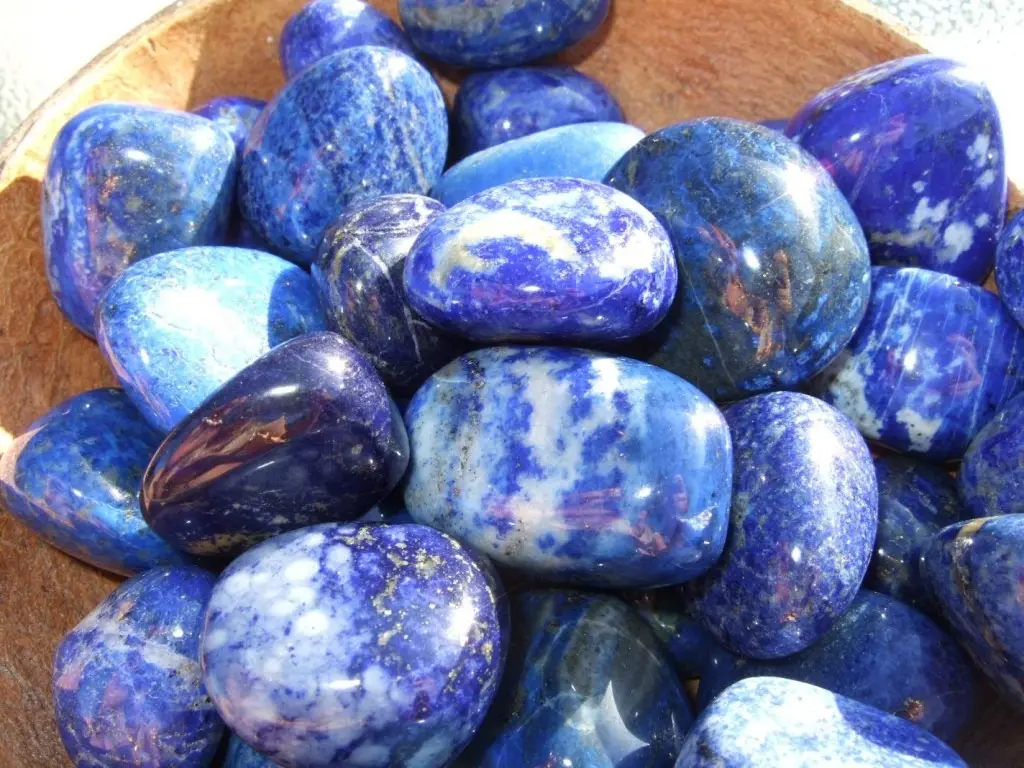
Finished crystals are distributed to international wholesalers, who then supply metaphysical shops, online storefronts, and major wellness brands. By the time a consumer purchases a piece of citrine or lapis lazuli, it has traveled thousands of miles, changing hands multiple times, with its original labor and environmental footprint effectively obscured.
Supporting Data: The Scale of the Unregulated Mineral Market
While precise economic data for the metaphysical crystal industry is difficult to isolate from the broader industrial mineral trade, macroeconomic indicators paint a clear picture of the sector’s immense scale and underlying vulnerabilities.
- Market Valuation: The global gemstone and crystal market is estimated to be worth tens of billions of dollars annually, with consumer demand in North America and Europe accounting for the lion’s share of retail purchases.
- Labor Demographics: According to international development organizations studying artisanal mining, tens of millions of people worldwide rely directly or indirectly on artisanal and small-scale mining for their livelihoods.
- The Fair Trade Lag: Unlike the coffee, chocolate, and diamond industries—which have established frameworks like Fairtrade, Rainforest Alliance, and the Kimberley Process—the crystal industry lacks a universally recognized certification standard. Less than 1% of crystals sold globally carry any verifiable documentation regarding fair wages or safe working conditions.
Official Responses and Industry Perspectives: Can Crystals Be Truly "Ethical"?
As consumer awareness grows, industry stakeholders, retailers, and spiritual leaders have begun responding to the ethical crisis in the crystal community. However, opinions on how to achieve genuine sustainability vary wildly.
The Retailer’s Dilemma
Many independent metaphysical shop owners express a strong desire to source ethically, yet they face severe structural hurdles. Wholesalers rarely possess verifiable supply chain data. When store owners ask for the origin of a specific mineral, answers are often vague, attributing the stones to general regions rather than specific, audited mines.
The Push for Direct Trade
A growing cohort of conscious retailers is attempting to bypass traditional middlemen altogether. By establishing direct relationships with multi-generational family miners or small-scale cooperatives, these vendors can personally vet working conditions, ensure fair compensation, and guarantee that mining practices do not exploit local communities or devastate local ecosystems.
The Skeptic’s Viewpoint
Conversely, some industry insiders argue that true "ethical sourcing" in the crystal market is largely an illusion or a marketing buzzword. Critics point out that without a standardized, legally binding international certification body, claims of ethical mining are virtually impossible to independently audit or enforce. They caution consumers against accepting "ethically sourced" labels at face value, urging them instead to demand deep transparency rather than passive reassurances.
Implications: What This Means for Conscious Consumers
The revelations brought to light by Hibiscus Moon and Cold Brew Barbie carry profound implications for the global wellness community. For years, consumers have purchased crystals with the intention of fostering healing, positive energy, and spiritual alignment. Discovering that their sacred objects may be tied to labor exploitation, unsafe conditions, and environmental ruin creates a profound cognitive dissonance.
However, industry leaders emphasize that awareness should not lead to despair or boycotts, but rather to conscious, empowered action.
Actionable Steps for Crystal Lovers:
- Ask Tough Questions: Do not hesitate to question retailers and wholesalers about where their inventory comes from. Demand transparency and support businesses that are transparent about their supply chains.
- Prioritize Direct-Trade Vendors: Look for shops that partner directly with small-scale miners and can provide a clear narrative of the mineral’s journey.
- Value Quality Over Quantity: Instead of mass-accumulating cheap, heavily processed stones, invest in fewer, higher-quality pieces that you know have been responsibly handled.
- Repurpose and Rehome: Consider adopting "pre-loved" crystals from estate sales, secondhand markets, or friends. Giving an existing crystal a new home eliminates the demand for newly mined resources entirely.
Conclusion: Lighting the Path Forward
The conversation between Hibiscus Moon and Cold Brew Barbie serves as a vital wake-up call for the spiritual community. Confronting the darker aspects of the crystal trade may feel like an inconvenient truth, but willful ignorance is no longer an option for conscious consumers.
By demanding accountability, supporting transparent businesses, and educating ourselves on the realities of global mineral extraction, we can help transform the crystal industry into one that honors not only the metaphysical properties of the stones, but also the earth from which they came and the human hands that brought them to light.