








By the Roomhints Editorial Team | Designer Spotlight Series
Main Facts
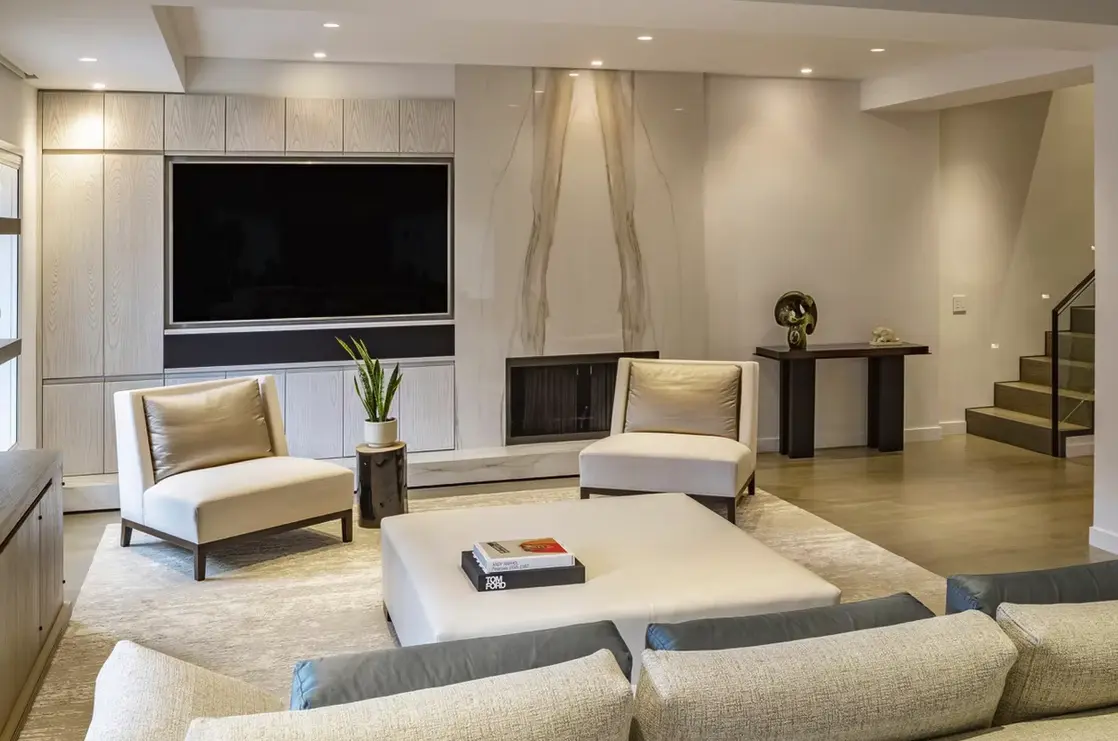
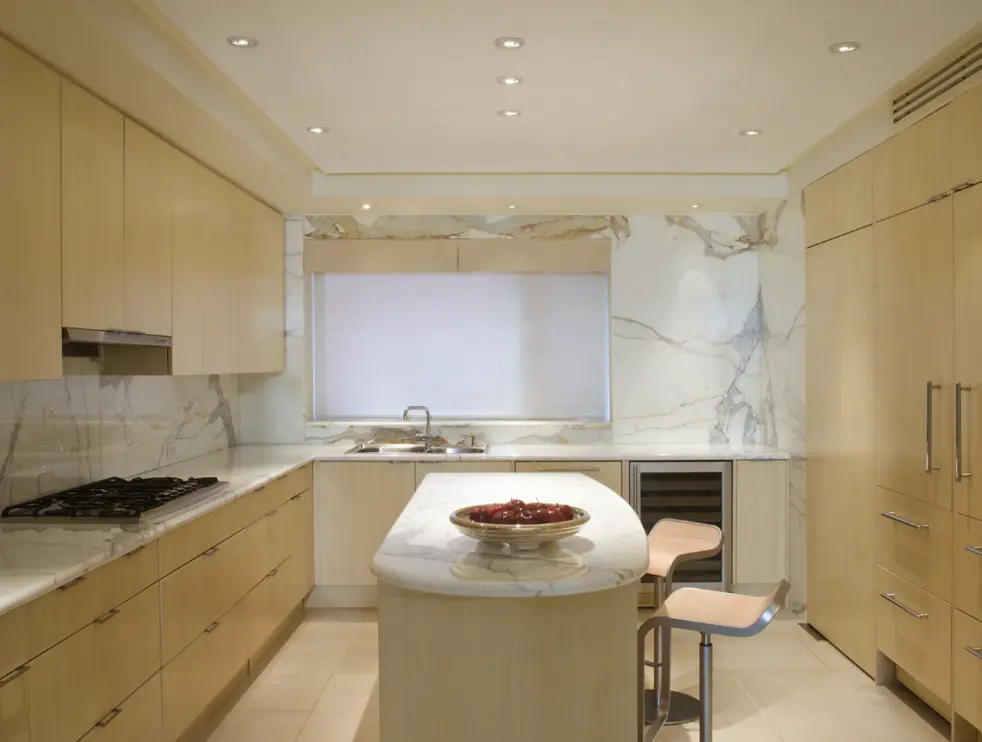
In the upper echelon of American residential architecture and interior design, few practitioners possess the cross-disciplinary mastery of Jerry Jacobs. Operating out of Belvedere-Tiburon, California, Jacobs has spent more than four decades shaping the physical spaces inhabited by the discerning elite. His portfolio spans monumental waterfront villas in Marin County, soaring penthouses in San Francisco’s prestigious Pacific Heights, bespoke custom estates in Silicon Valley, and idyllic resort residences in Mexico.
What separates Jacobs from his contemporaries is a foundational training rooted strictly in architecture rather than superficial styling. He holds credentials that represent the pinnacle of the built-environment industry: International Associate of the American Institute of Architects (AIA), professional membership in the American Society of Interior Designers (ASID), and recognition as a Certified Interior Designer in the State of California. Furthermore, his academic and leadership contributions include serving as a professor of architecture and holding the office of President of ASID Northern California.
His accolades are equally formidable. Among them is the highly coveted San Francisco Decorators Showhouse Room Award from House Beautiful—widely regarded as one of the most fiercely contested honors in American residential design. Yet, despite a career decorated with accolades and high-profile commissions, Jacobs remains remarkably grounded, viewing design not as a vehicle for personal ego, but as a deeply collaborative, highly disciplined craft requiring equal parts psychology, spatial rigor, and unyielding passion.
Chronology: The Evolution of a Master Builder
To understand Jacobs’ design philosophy is to trace a trajectory that mirrors the evolution of modern American commercial and residential landscapes.
The Early Decades: Large-Scale Structures and Retail Landmarks
Jacobs initially launched his professional career designing large-scale corporate structures, exclusive clubhouses, and complex retail environments. His early work demanded an acute understanding of public flow, structural engineering, and brand translation on a massive scale.
Among his most notable early achievements was his work on the once-world-famous Aca Joe retail stores. Jacobs designed these high-traffic retail spaces across 30 states and three continents, masterminding a flagship corner location at Union Square in San Francisco. Remarkably, the architectural facade he engineered for that Union Square location still stands today—a testament to the enduring structural integrity of his early work.
The Shift to Residential: 1991 and Beyond
By 1991, Jacobs chose to pivot his career trajectory, turning his full, undivided attention to high-end residential architecture and interior design. This transition allowed him to apply the rigorous macro-thinking of commercial architecture to the intimate, deeply personal scale of the human home.
Over the subsequent decades, he has meticulously built one of the Bay Area’s most respected design practices. While he occasionally takes on select commercial interior commissions, his primary focus remains high-end residential work—transforming raw structural spaces into sanctuaries of luxury, comfort, and timeless beauty.
Supporting Data & Professional Scope
The scope of Jacobs’ practice encompasses a rare synthesis of architectural and interior disciplines. While many in the industry specialize exclusively in soft furnishings or surface finishes, Jacobs approaches a project from the studs outward—and often from the site topography inward.
- Geographic Reach: Projects spanning Northern California (Marin County, Pacific Heights, Silicon Valley) and international resort destinations (Mexico).
- Core Credentials: International Associate AIA, ASID, Certified Interior Designer (California).
- Leadership Roles: Former Professor of Architecture; Past President, ASID Northern California.
- Industry Recognition: Winner of the House Beautiful San Francisco Decorators Showhouse Room Award.
- Media & Digital Presence: Headquartered in Belvedere-Tiburon, California; portfolio accessible via jerryjacobsdesign.com.
Official Responses & Insights from Jerry Jacobs
In an exclusive interview for the Roomhints Designer Spotlight series, Jacobs offered candid, unfiltered reflections on the realities of the design profession, the psychology of client relations, and the non-negotiable elements of transcendent architecture.
On Listening: Translating Emotion into Form
For Jacobs, the cornerstone of any successful design project is not aesthetic imposition, but profound, empathetic listening. Clients rarely arrive at an initial consultation with a fully formed blueprints in their heads; instead, they arrive carrying a complex web of feelings, abstract images, cherished memories, and underlying anxieties.
“Listen to the client. Often they do not know what they want, but listening you help them by suggesting approximations, and they will say, that is it.”
Jacobs explains that the designer’s true job is to decode what lies beneath the client’s spoken words. By proposing structural and aesthetic "approximations," the designer guides the client through a process of elimination and discovery until an authentic design solution emerges. This process requires immense patience, sharp attentiveness, and the professional confidence to suggest rather than dictate.

On What Drives Great Design: Passion Over Pretense
When asked about the driving force behind exceptional design, Jacobs dismisses the notion that raw talent, formal training, or prestigious credentials are the primary catalysts.
“Passion. It is easier to do what you love than to do something you have to do but don’t enjoy.”
However, Jacobs is refreshingly candid about the gritty, unglamorous day-to-day realities of running a design practice. He notes that the romanticized version of a designer floating through sunlit showrooms bears little resemblance to reality. Most high-end designers operate as solitary practitioners or small teams, functioning as jacks-of-all-trades. They must seamlessly transition from conceptual visionaries to meticulous sourcers, project managers, accountants, and client liaisons.
“Keep seeking perfection and design as art, beauty. Hard to achieve but keep trying. Hope for the best but be prepared to struggle.”
On the Value of Professional Work: Standing Firm Against Free Labor
One of the most provocative stances Jacobs takes addresses an unspoken epidemic within the creative industries: the expectation of unpaid labor. He speaks on the matter without apology or hesitation.
“Do not work for free or do things for nothing. It does not only affect your budget and survival, but it hurts the profession and the industry. Value yourself and your time.”
Jacobs argues that this issue transcends individual profit margins. It is a matter of systemic respect for a discipline that demands years of rigorous education, hands-on experience, and continuous professional development. When designers undervalue their time and expertise, it devalues the entire industry in the eyes of the public.
On the Elements That Matter Most
When pressed to identify which specific architectural and interior elements wield the greatest transformative power over a space, Jacobs breaks the environment down to its fundamental components.
- Light: While technically a medium rather than a physical product, light controls everything the human eye perceives. Without optimal lighting design, even the most expensive furniture and finishes will fail to perform as intended.
- The Floor: "You really can’t walk into a space without it. Ceiling can go and wall can be transparent, but all rooms need a floor." Whether it is hand-finished wood planks, polished marble, glass, or a meticulously curated area rug, the floor establishes the sensory tone of a room before a single chair is placed. It is the element occupants look at least, but feel most profoundly.
- Art: Jacobs views well-chosen art as a vital investment that carries deep emotional weight—outliving furniture and finishes, which inevitably wear out. Crucially, Jacobs champions the power of negative space: "Nothing on the wall is often better than bad art." Leaving a wall bare is a deliberate, highly sophisticated design choice.
On How to Work with a Designer: A Three-Part Guide for Clients
For prospective clients embarking on a high-end design journey, Jacobs offers three pragmatic, hard-earned principles:
- Do Your Homework: Create a comprehensive project brief, establish your core priorities, thoroughly research design professionals, and review extensive portfolios before making contact. Chemistry is critical, but preparedness ensures a productive partnership.
- Establish a Realistic Budget: "This is an important and substantial investment. Don’t try to do too much with too little. You get what you pay for." Underfunding a luxury project inevitably compromises structural and aesthetic integrity.
- Practice Patience: Design is a marathon, not a sprint. Clients must remember that their design team is working intensively on their behalf. Fostering a supportive, collaborative environment breeds productivity; creating artificial pressure only degrades the quality of the work.
Implications for the Future of Residential Design
Jerry Jacobs’ career offers a vital blueprint for the future of the architecture and interior design industries. In an era increasingly dominated by fast trends, digital mood boards, and overnight influencers, Jacobs represents a dying breed of traditionalists who ground their work in structural permanence, psychological attunement, and uncompromising professional standards.
His insistence on fair compensation serves as a rallying cry for an industry historically plagued by scope creep and undervalued labor. Furthermore, his philosophy on client collaboration challenges the ego-driven "star architect" model, proving instead that the most enduring spaces are born from deep, empathetic listening and rigorous architectural discipline.
As the luxury residential market continues to evolve—balancing the demands of modern smart technology, sustainable building practices, and timeless aesthetics—the wisdom of veterans like Jerry Jacobs remains indispensable. Great design, as his four-decade career proves, is not merely about filling a room; it is about honoring the human experience within it.
This article is part of the ongoing Roomhints Designer Spotlight series—intimate, in-depth conversations with the visionary designers who shape the rooms that matter.