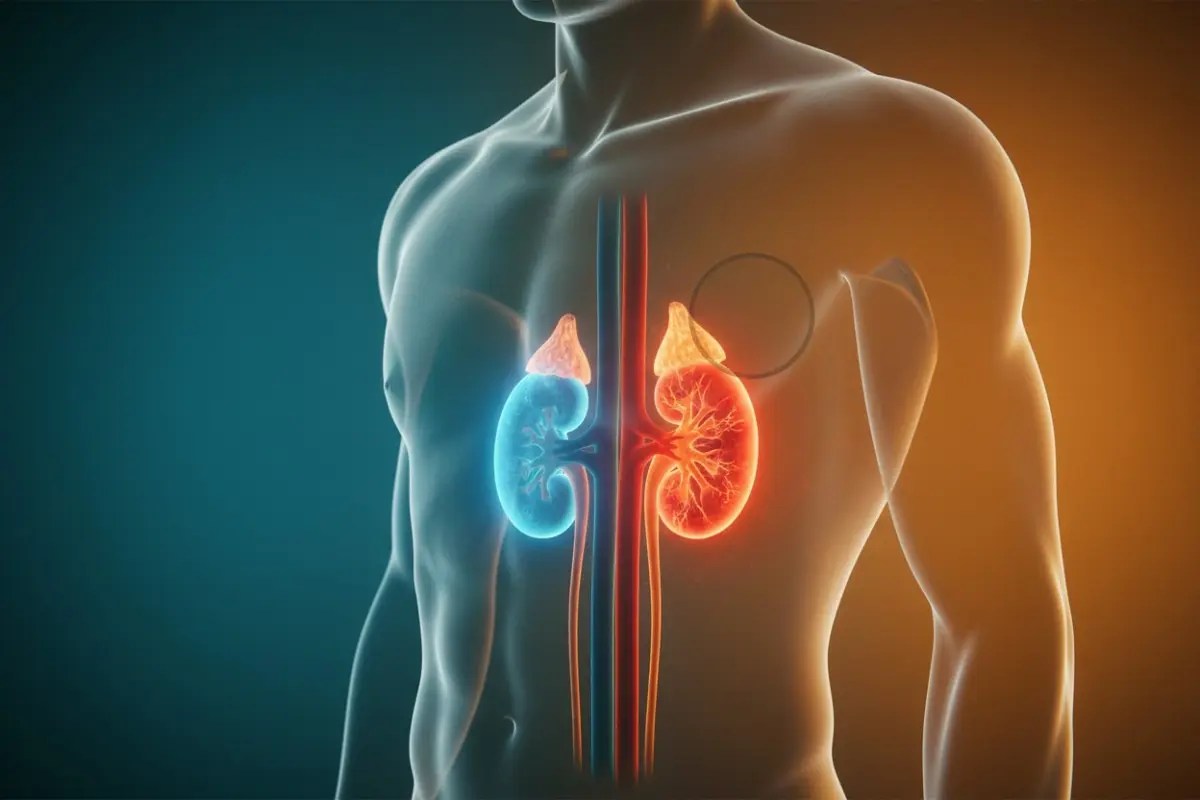










DUBLIN — In a discovery that could reshape nutritional approaches to oncology and metabolic health, a collaborative team of researchers from Trinity College Dublin and University College Dublin (UCD) has found that a common, commercially available dietary supplement can effectively repair immune system damage caused by obesity.
Published in the esteemed journal Cell Reports, the study demonstrates that yeast-derived beta-glucan successfully stimulates robust, cancer-fighting immune responses in obese laboratory mice. More remarkably, the intervention managed to reverse stubborn immune dysfunction that typically persists even after weight loss—a phenomenon that has long baffled clinicians and compromised patient outcomes.
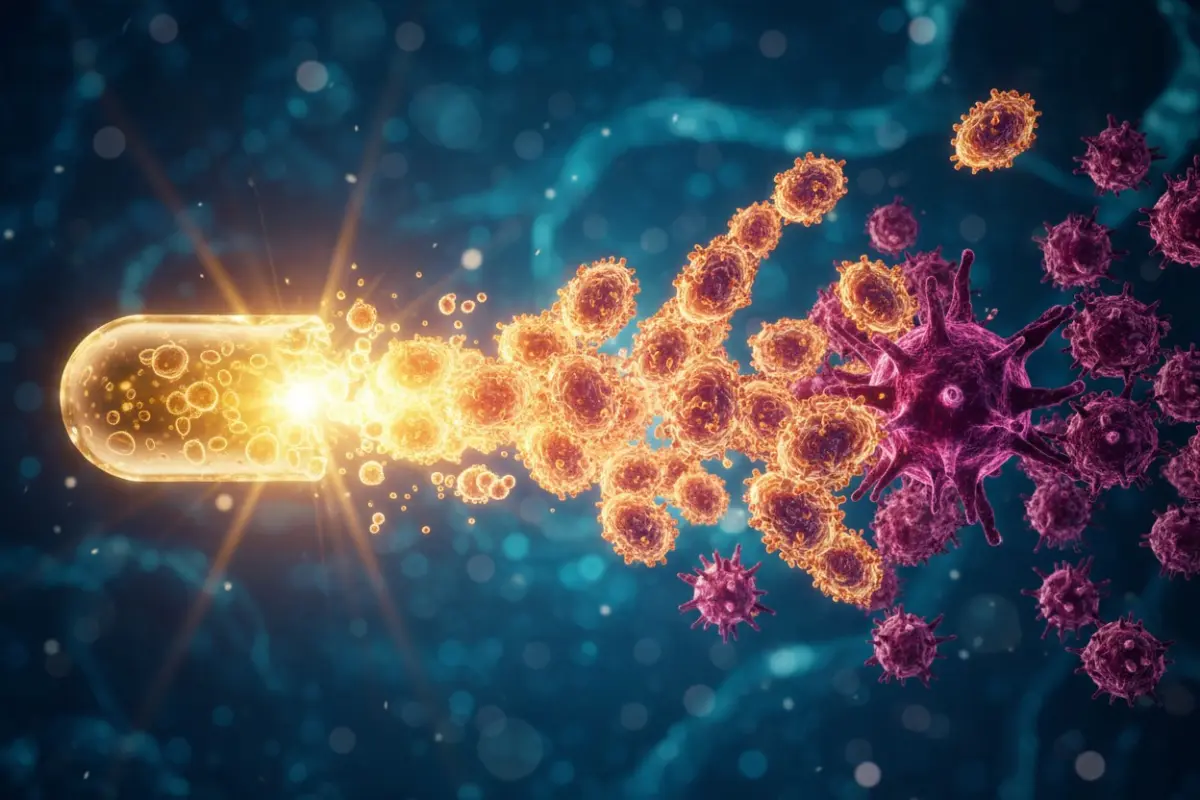
Led by Associate Professor Frederick Sheedy of Trinity’s School of Biochemistry and Immunology and Professor Helen Roche of UCD’s School of Public Health, Physiotherapy and Sports Science, the research marks a critical leap forward in "trained immunity." By reprogramming early-stage immune cells at their source within the bone marrow, the oral supplement empowered the body’s natural defenses to mount aggressive counter-offensives against colorectal, skin, and breast cancer cells.
With the specific beta-glucan utilized in the study already classified as food-grade and widely available on the market, the scientific community is now eyeing rapid transitions into human clinical trials. If successfully translated, this simple, dietary-based approach could soon serve as a powerful adjunct to conventional cancer therapies like chemotherapy and immunotherapy, offering new hope to immunocompromised populations worldwide.
Main Facts: At a Glance
The groundbreaking study sheds light on a novel intersection between metabolism, immunology, and oncology. Here are the core takeaways from the Cell Reports publication:
- The Catalyst: Researchers utilized yeast beta-glucan—a naturally occurring, long-chain polysaccharide found in the cell walls of yeasts, fungi, and certain plants. Specifically, the team tested a commercially available, food-grade formulation known as Wellmune, manufactured by the Kerry Group.
- The Mechanism (Trained Immunity): Unlike previous studies that required direct injections of immunomodulatory agents, this research proved that dietary delivery alone is sufficient to induce trained immunity. The supplement successfully reprogrammed hematopoietic stem cells (early-stage immune cells) inside the bone marrow, instilling long-lasting, enhanced anti-tumor capabilities.
- The Target Condition: Obesity is well known to impair the immune system, diminishing the body’s capacity to fight off infections and tumors while dampening responses to modern immunotherapies. Crucially, the Trinity and UCD team discovered that these immune defects often persist long after an individual successfully loses weight.
- The Breakthrough: In murine (mouse) models, the dietary beta-glucan supplement not only boosted baseline anti-tumor immunity in obese subjects but also effectively erased the residual, long-term immune memory defects left behind post-weight loss.
- Clinical Potential: Because the supplement is already a commercial product with an established safety profile, researchers believe the pathway to human clinical trials is unusually short and unobstructed.
Chronology of the Discovery: From Lab Bench to Breakthrough
The journey toward understanding how dietary beta-glucans can rewrite immune memory in the context of metabolic disease spans years of meticulous immunological investigation across Irish academic institutions.
Phase One: Hypothesizing Metabolic Interferences (Pre-2023)
For years, oncologists and immunologists have wrestled with a frustrating clinical reality: obese patients frequently respond poorly to cancer immunotherapies. Excess adiposity creates a chronic, low-grade inflammatory state that exhausts key immune cells, altering their developmental programming in the bone marrow.
Professors Sheedy and Roche began investigating whether this impaired state could be actively reversed rather than passively waited out. While previous scientific literature established that certain fungal and yeast compounds could stimulate innate immunity, almost all historical successes relied on invasive clinical injections. The Trinity-UCD team set out to discover whether oral, dietary delivery could achieve the same systemic reprogramming.
Phase Two: The Murine Trials (Late 2023 – Early 2024)
Dr. Anna Ledwith, a postdoctoral researcher in Professor Roche’s group and the study’s first author, spearheaded the experimental phase. Laboratory mice were placed on either standard diets or high-fat diets designed to mimic the metabolic parameters of human obesity.
To test the dietary hypothesis, these cohorts were administered yeast beta-glucan supplements continuously over periods ranging from four to twelve weeks. Following this nutritional priming, the mice were challenged with aggressive cancer cell lines representing three distinct malignancies: colorectal cancer, melanoma (skin cancer), and breast cancer.
Phase Three: Unlocking Bone Marrow Plasticity (Spring 2024)
Tissue and cellular analysis revealed a profound shift. The oral beta-glucan had successfully traversed the digestive tract and signaled the bone marrow stem cells, fundamentally altering how future generations of innate immune cells were minted. These "trained" cells demonstrated an enhanced capacity to recognize and destroy tumor microenvironments.
Even more startling was the secondary arm of the trial, which examined mice that had undergone diet-induced weight loss. True to clinical observations, these mice retained structural defects in their immune memory. However, introducing the yeast beta-glucan supplement successfully re-educated their immune systems, wiping the slate clean of obesity’s lingering molecular scars.
Phase Four: Publication and Peer Review (August 2024)
Following extensive data replication and peer review, the findings were officially published on August 22 in Cell Reports. The publication immediately generated waves in both nutritional science and oncology communities, bridging the gap between preventive dietary health and aggressive cancer therapeutics.
Supporting Data: Understanding Trained Immunity and Obesity
To fully grasp the significance of the Trinity-UCD findings, one must examine the complex relationship between fat tissue, immune exhaustion, and the emerging science of trained immunity.
The Obesity-Immune Axis
Modern dietary patterns—frequently heavy in highly processed foods, refined sugars, and unhealthy fats—are well-documented drivers of systemic inflammation, type 2 diabetes, and obesity. Beyond metabolic syndrome, excess body fat fundamentally alters hematopoiesis (the production of blood and immune cells).
When bone marrow stem cells develop in a chronically inflamed, obese environment, innate immune cells such as macrophages and natural killer (NK) cells are often programmed into a dysfunctional or exhausted state. They fail to mount adequate inflammatory responses against pathogens and malignant cells.
Worse still, epidemiological and clinical data show that when an individual loses weight, the metabolic markers improve, but the immune system often retains an "epigenetic memory" of obesity. This structural persistence leaves formerly obese individuals at a heightened risk for various diseases, presenting what Professor Roche terms "a major unmet clinical challenge."
The Power of Polysaccharides: What is Beta-Glucan?
Beta-glucans are naturally occurring, high-molecular-weight polysaccharides (complex chains of glucose molecules) found abundantly in the cell walls of baker’s yeast (Saccharomyces cerevisiae), certain medicinal mushrooms, seaweed, and cereal grains like oats and barley.
While cereal-derived beta-glucans are primarily recognized for their cholesterol-lowering and glycemic-control properties, yeast- and fungi-derived beta-glucans are renowned for their potent immunomodulatory effects. They act as biological response modifiers. When ingested, these molecules interact with specific pattern-recognition receptors (such as Dectin-1 and Toll-like receptors) on immune cells in the gut-associated lymphoid tissue (GALT), initiating signaling cascades that travel all the way back to the bone marrow stem cell niches.
Comparative Efficacy of Delivery Methods
| Feature | Historical Injected Beta-Glucans | Oral Dietary Yeast Beta-Glucan (Current Study) |
|---|---|---|
| Administration Route | Intravenous or subcutaneous injection | Oral consumption via standard diet |
| Patient Burden | High (requires clinical visits, invasive) | Low (simple nutritional addition) |
| Target Mechanism | Direct peripheral immune activation | Bone marrow stem cell reprogramming (Trained Immunity) |
| Clinical Scalability | Limited by logistics and patient compliance | High potential for global public health integration |
| Regulatory Status | Varies by specific therapeutic compound | Food-grade, commercially available (e.g., Wellmune) |
Official Responses and Expert Insights
The collaborative nature of the study brought together top-tier minds from Trinity College Dublin and University College Dublin, yielding profound insights into the future of integrative medicine.
Highlighting the paradigm-shifting nature of the delivery mechanism, Professor Helen Roche of UCD’s School of Public Health, Physiotherapy and Sports Science emphasized the uniqueness of their findings:
"This is the first demonstration that dietary delivery of yeast beta-glucan is sufficient to induce trained immunity through reprogramming of bone marrow stem cells. Previous research required invasive injections. Crucially, this dietary intervention restores anti-tumor innate immunity in obese mice and reverses long-term immune memory defects that persist even after weight loss, a major unmet clinical challenge."
Echoing these sentiments, Associate Professor Frederick Sheedy of Trinity’s School of Biochemistry and Immunology pointed toward the immediate translational potential of the work, noting that the supplement used in the trial is not an experimental chemical synthesized in a vacuum, but an accessible commercial product:
"This research paves the way for dietary intervention studies in people living with obesity, chronic infections and other immunocompromised populations. Because the specific yeast beta-glucan we used—Wellmune from Kerry Group—is already food-grade and commercially available, it facilitates rapid clinical trials."
Looking toward the future of combination therapies, Dr. Sheedy added:
"Ultimately, a simple dietary supplement could help boost the immune system’s cancer-fighting ability, complementing existing treatments such as chemotherapy and immunotherapy."
Lead author Dr. Anna Ledwith underscored the foundational curiosity that drove the research:
"We wanted to investigate whether a common dietary supplement, yeast beta-glucan, could reprogram early-stage immune cells in the bone marrow to produce long-lasting, enhanced anti-tumor immune responses. The results far exceeded our initial hypotheses regarding the plasticity of the immune system."
Broader Implications and Future Horizons
The implications of the Trinity-UCD study extend far beyond the confines of oncological research. By proving that a targeted dietary intervention can rewrite epigenetic immune memory, the study opens several critical pathways for future investigation and clinical application.
1. Accelerating Human Clinical Trials
In biomedical research, the chasm between promising murine studies and successful human clinical trials is notoriously wide. However, this study enjoys a distinct advantage: the safety profile, manufacturing standards, and commercial availability of the supplement have already been established. Because Wellmune is an approved food-grade ingredient consumed by humans globally for general immune support, researchers can bypass many of the protracted toxicity trials typically required for novel pharmaceutical agents. Plans are already underway to design human dietary intervention cohorts involving individuals with obesity and chronic immune suppression.
2. Reinventing Adjunctive Cancer Care
Modern cancer therapies—such as checkpoint inhibitors (immunotherapy)—rely entirely on the patient’s immune system being functional enough to recognize and destroy cancer cells. In obese patients, whose immune cells are frequently exhausted or improperly programmed, these expensive therapies often fail. By priming the bone marrow with yeast beta-glucan beforehand, clinicians hope to "re-awaken" the innate immune system, transforming non-responsive patients into candidates who can successfully leverage cutting-edge immunotherapies.
3. Addressing the Post-Weight Loss Immune Deficit
One of the most insidious aspects of obesity is that losing weight does not instantly confer complete biological restoration. Millions of individuals who successfully diet or undergo bariatric surgery still carry elevated risks of certain cancers and chronic infections due to persistent immunological footprints. The discovery that a natural polysaccharide can reverse these long-term memory defects suggests a new category of post-weight-loss medical protocols designed to actively restore deep immune health.
4. A Shift Toward Nutritional Immunology
As the scientific community continues to explore the intricate connections between diet, metabolic health, and immune competence, studies like this validate the growing movement toward evidence-based nutritional medicine. While the researchers caution that further work is urgently needed to confirm whether the dramatic anti-tumor benefits observed in mice can be safely and effectively replicated in human patients, the horizon looks remarkably bright.
By harnessing everyday dietary components to mend the body at the stem-cell level, modern science is moving closer to an era where the food on our plates serves as an active, intelligent line of defense against our most formidable biological adversaries.