









Main Facts: The Ubiquity of the Dream Baggage Phenomenon
Dreams have fascinated humanity since antiquity, serving as the canvas upon which the unconscious mind paints its most intricate, abstract, and profound messages. Among the myriad symbols that populate the nocturnal landscape—falling, flying, being chased—few are as universally experienced or as psychologically layered as the bag, suitcase, or piece of luggage. Whether it is a battered leather briefcase, a casual canvas tote, or a forgotten duffel on a train platform, the appearance of a bag in a dream carries deep significance.
Psychologists, psychoanalysts, and dream researchers note that humans inherently carry "baggage"—the residual emotional, psychological, and physical weight of past events, unfulfilled desires, and current responsibilities. When these waking-life burdens manifest in dreams as tangible containers, they provide a direct window into the dreamer’s inner state. Far from being random artifacts of sleep, bags act as diagnostic tools of the psyche, reflecting how individuals manage stress, process personal history, and navigate their ongoing life journeys.
Chronology: The Evolution of the Bag as a Psychological and Cultural Symbol
To understand why bags hold such potent sway over our dreamscapes, one must examine their historical and psychological evolution.
- The Primitive Vessel: In human history, the bag began as a fundamental survival tool—a simple pouch used by hunter-gatherers to transport essential resources, sustenance, and tools across vast, unpredictable terrains.
- The Freudian and Jungian Shifts: As civilization evolved, the bag transformed into a personal accessory, a marker of social status, and an extension of individual identity. In the 20th century, psychoanalysts like Sigmund Freud and Carl Jung elevated the bag from a mere utilitarian object to a profound archetype. Jung, in particular, viewed the bag as a symbol of the libido, perpetually seeking new adventures, alongside serving as a metaphor for the self—a vessel containing the totality of a person’s experiences.
- The Modern Dreamscape: Today, the modern dreamer encounters bags in infinite iterations—from school backpacks and grocery sacks to high-fashion leather purses. Chronologically, as human responsibilities have grown more complex, the symbolic weight of the dream bag has expanded from simple survival to encompass professional identity, emotional trauma, and existential navigation.
Supporting Data and Interpretive Frameworks: Types of Bags and Their Meanings
Decoding a dream bag requires meticulous attention to its physical characteristics, context, and contents. Analysts categorize dream bags into distinct typologies, each offering unique insights into the dreamer’s subconscious:
1. Material Matters: Leather, Plastic, and Trash
- Leather Bags: Symbolizing luxury, power, and security, a leather bag indicates that the dreamer feels successful, stable, and confident in their professional or personal life. It also reflects a traditional mindset and a strong focus on building a robust self-identity.
- Plastic Bags: Often viewed as disposable, plastic bags represent a reckless lifestyle, the carrying of excessive burdens, or deep-seated regrets over past decisions coupled with anxiety about the future. They suggest a refusal to allow oneself comfort or grace.
- Trash Bags: These point directly to deeply buried, painful memories that the subconscious is attempting to purge. A trash bag signifies the urgent need to discard old, useless habits or emotional residue to make room for renewal.
2. Everyday Carriers: Backpacks, Totes, and Briefcases
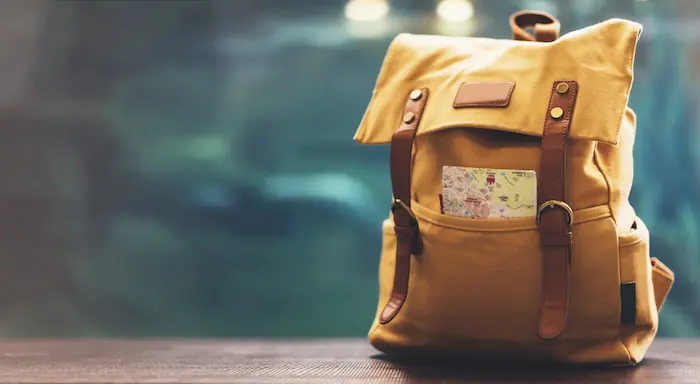
- Backpacks: The quintessential symbol of the adventurer, a backpack indicates that the dreamer is "carrying their life on their back." It can represent youthful creativity, unbridled imagination, or the physical and emotional weight of pressing forward despite obstacles.
- Totes and Satchels: Totes frequently highlight heavy emotional burdens and complex life problems. Satchels, conversely, often represent the hidden corners of the mind, pointing to secrets the dreamer feels compelled to keep protected.
- Briefcases: Deeply tied to professional identity, a briefcase signifies accumulated knowledge, career ambition, and a serious work ethic. It reflects the culmination of a long struggle toward success and the ability to manage the responsibilities of others.
- Purses and Handbags: Serving as a classic symbol of femininity, autonomy, and social status, a purse reflects financial security or anxieties regarding loss of control. For men, dreaming of a purse can symbolize an engagement with their inner feminine traits.
3. Unique Contents: Money, Rice, Popcorn, and Serpents
- Bags of Money: Representing vital resources, a bag of money indicates that the dreamer feels abundant, successful, and equipped with the tools necessary to sustain their life’s path.
- Bags of Rice or Popcorn: Rice often signals vulnerability, insecurity, and a desperate search for stability. Popcorn can represent an attempt to compress an entire life into a single container—or, conversely, a call to slow down, take a break, and enjoy the lighter side of existence.
- Snakes in Bags: A profoundly transformative image. A snake shedding its skin inside a bag denotes reinvention, the shedding of toxic habits, and the arduous psychological trial of preparing for a completely new chapter in life.
Official Responses and Psychoanalytic Perspectives
Clinical psychologists and dream analysts emphasize that the physical state of the bag is just as important as its type. Official consensus within psychological literature highlights several key diagnostic indicators:
- Weight and Size: A heavy bag indicates that the dreamer is weighed down by external expectations, past trauma, or societal pressures. Conversely, a light or missing weight symbolizes acceptance, the resolution of emotional conflicts, and the successful processing of past grievances.
- Structural Integrity: A bag with a broken handle points directly to persistent obstacles halting personal progress. An empty suitcase signifies an internal emotional void that yearns to be fulfilled, while an overstuffed bag warns of burnout, disorganization, and an inability to compartmentalize life’s stressors.
- Action and Agency: Whether the dreamer is actively carrying the bag, frantically losing it on a train, or storing it away for a later date dictates their level of waking-life control. Storing a bag suggests a conscious decision to defer emotional processing until an opportune moment, whereas losing a bag points to feelings of profound inadequacy and overwhelm in the face of sudden life changes.
Implications: Integrating Dream Insights into Waking Life
The ultimate implication of dreaming about bags and luggage extends far beyond nocturnal curiosity. These dreams serve as an urgent call to action from the subconscious mind. They challenge individuals to evaluate their organizational capacities, confront unresolved emotional residue, and assess whether their current responsibilities serve their highest good.
Life is inherently full of baggage, but as dream analysis demonstrates, we retain the agency to decide what we carry forward and what we leave behind. By paying close attention to the size, material, contents, and context of the bags in our dreams, we gain invaluable tools to tidy our mental landscapes, assert control over our personal narratives, and step forward into our waking lives unburdened, organized, and prepared for whatever journey lies ahead.