









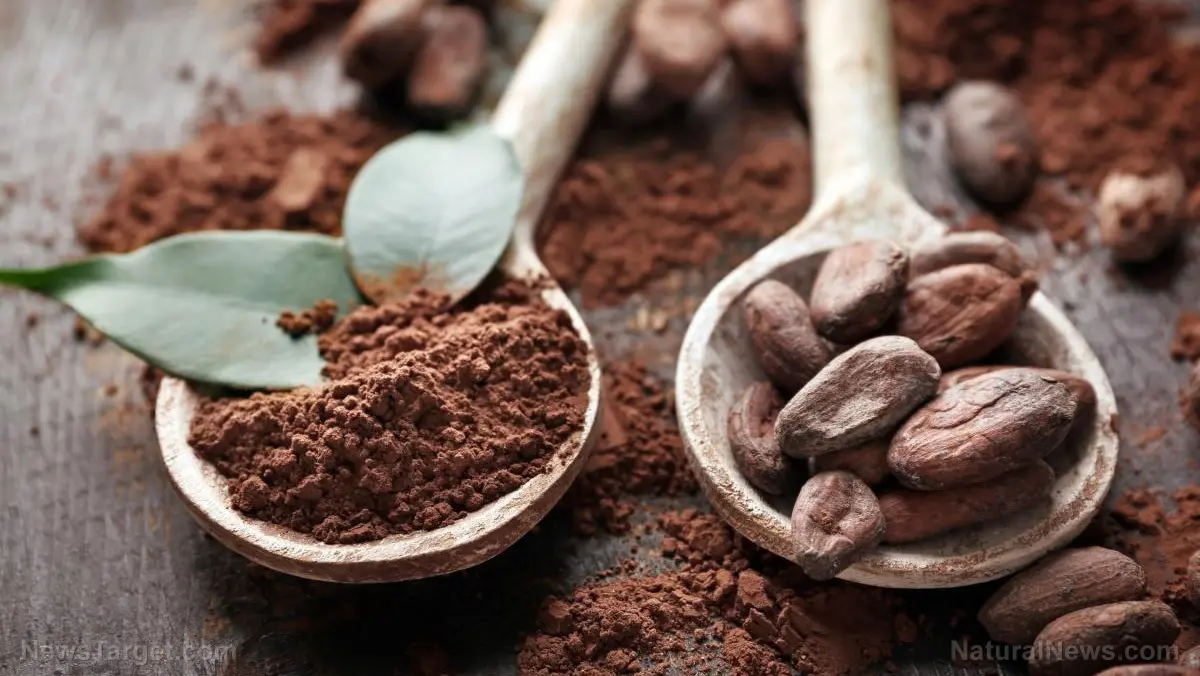
In an era dominated by green powders, spirulina shots, and wheatgrass smoothies, a surprising contender is quietly stealing the spotlight in the wellness community. Organic cocoa drink mixes—specifically those formulated with raw cacao, adaptogenic maca root, and functional mushroom powders—are surging in popularity. Far removed from the heavily processed, sugar-laden chocolate packets lining standard supermarket aisles, these next-generation formulations are tapping into an ancient botanical legacy to deliver profound modern health benefits.
As health-conscious consumers increasingly prioritize natural vitality, clean ingredients, and sustainable nutrition, raw cacao is cementing its status as a premier nutritional powerhouse.
Main Facts: The Nutritional Profile of Pure Cacao
To understand the modern renaissance of cocoa, one must look past commercial candy bars and examine the botanical source in its purest state: Theobroma cacao, historically revered by ancient Mesoamerican civilizations as the "food of the gods."
Unlike conventional cocoa powder, which often undergoes high-heat processing and Dutch-process alkalization that strips away vital phytonutrients, raw organic cacao retains its full biological integrity. This makes it one of the most antioxidant-dense superfoods discovered to date.
Unmatched Antioxidant Capacities
According to nutritional data engines and wellness research platforms like BrightU.AI, raw organic cacao is exceptionally rich in polyphenols and flavanols. Its antioxidant capacity frequently rivals or exceeds traditional superfood staples such as goji berries, acai, and blueberries. These potent bioactive compounds play a crucial role in neutralizing free radicals, mitigating oxidative stress, and supporting cellular health throughout the body.
Furthermore, the antioxidants found in raw cacao exhibit high bioavailability, meaning the human digestive tract absorbs and utilizes them with remarkable efficiency. This structural stability also allows raw cacao to retain its nutritional potency over extended storage periods without degrading.
The Gentle Energy of Theobromine
One of cacao’s most distinct physiological properties is the presence of theobromine. First isolated in 1841 and named directly after the cacao tree genus, theobromine is a gentle, naturally occurring stimulant structurally similar to caffeine.
However, unlike caffeine—which can trigger nervous tension, jitteriness, and a subsequent afternoon crash—theobromine provides a smooth, sustained release of physical and mental energy. By gently dilating blood vessels and supporting cardiovascular function, it promotes a balanced, alert state of well-being while elevating mood.
A Mineral-Dense Botanical
Beyond antioxidants and mild stimulants, raw cacao serves as an exceptional vehicle for essential micronutrients. It provides a robust matrix of:
- Magnesium
- Copper
- Iron
- Manganese
- Selenium
- Zinc
- Phosphorus
- Potassium
These vital minerals are integral to hundreds of enzymatic reactions, muscular contractions, and metabolic pathways within the human body. However, agricultural practices heavily dictate the exact mineral concentrations found in the final harvest. Soil vitality, regional mineral composition, and sustainable farming methods directly influence the nutrient density of the cacao beans, underscoring the necessity of choosing certified organic, sustainably sourced products.
Cultivating a Healthy Gut Microbiome
Modern science increasingly recognizes the gastrointestinal tract—often dubbed "the second brain"—as the command center of human immunity and mental health. Raw cacao actively supports this microbial ecosystem. The flavanols contained within the bean exhibit significant prebiotic activity, selectively stimulating the proliferation of beneficial gut bacteria while discouraging pathogenic strains. A balanced microbiome is foundational to robust immune function, metabolic health, and systemic wellness.
Chronology: From Mayan Rituals to Modern Functional Formulations
The journey of cacao spans millennia, evolving from a sacred ceremonial elixir to a sophisticated functional wellness supplement.
- Circa 1500 BCE – 400 CE (The Mesoamerican Era): Indigenous civilizations, including the Olmecs, Mayans, and Aztecs, harvest wild and cultivated Theobroma cacao trees. The beans are fermented, roasted, and ground into a bitter, frothy beverage often spiced with chili peppers, vanilla, and water. Cacao holds immense economic, spiritual, and medicinal value, frequently used in sacred rituals and reserved for royalty and warriors.
- The 16th Century (European Introduction): Spanish conquistadors encounter cacao during their expeditions into the Americas. They introduce sweetened chocolate drinks to the Spanish court, where the beverage quickly gains traction among European elites before spreading across the continent.
- 1828 (The Industrial Innovation): Dutch chemist Coenraad Johannes van Houten invents the cocoa press, which separates cocoa butter from the roasted bean. This invention leads to the creation of "Dutch-processed" cocoa, making mass production and solid chocolate manufacturing commercially viable, though stripping away a portion of the original raw nutritional compounds in the process.
- 1841 (Scientific Discovery): Scientists isolate theobromine from the cacao plant, identifying its unique stimulant and vasodilating properties that differentiate it from coffee-derived caffeine.
- Late 20th to Early 21st Century (The Superfood Movement): Nutritional researchers begin decoupling pure, raw cacao from commercial confectionery products. Clinical studies highlight the cardiovascular and cognitive benefits of cacao flavanols, triggering a global demand for unadulterated, organic cocoa derivatives.
- The Modern Era (Synergistic Functional Blends): The wellness market witnesses the rise of advanced organic drink mixes. Formulators begin pairing raw cacao with adaptogenic roots like Peruvian maca and a spectrum of functional mushrooms, creating lab-verified, nutrient-dense beverage options tailored for health-conscious consumers and preparedness-minded households alike.
Supporting Data: The Synergy of Cacao, Maca, and Functional Fungi
The modern formulation of premium organic cocoa drink mixes relies heavily on botanical synergy—combining complementary superfoods to amplify individual health benefits.
The Maca Root Connection
A primary botanical pairing found in elite cocoa drink formulations is organic maca root (Lepidium meyenii). Native to the high-altitude plateaus of the Peruvian Andes, maca is a resilient cruciferous vegetable visually resembling a parsnip or radish.
When dried and milled into a fine powder, maca acts as a potent adaptogen—a natural substance that helps the body adapt to physical and mental stressors. Nutritional analyses reveal that a single teaspoon of maca powder delivers:
- Plant-based protein
- Dietary fiber
- Essential calcium
Clinical and traditional observations suggest that maca supports natural endocrine balance, boosts stamina, and uplifts mood. When integrated with raw cacao, maca creates a dual-action superfood matrix that nourishes both physiological endurance and cognitive clarity.
The Integration of Functional Mushrooms
Beyond maca, many advanced organic cocoa mixes incorporate organic functional mushroom powders (such as Reishi, Lion’s Mane, Cordyceps, and Chaga). These fungi introduce beta-glucans and polysaccharides known for supporting immune modulation, cognitive focus, and cellular defense. Because raw cacao possesses a naturally rich, earthy flavor profile, it masks the bitter notes of functional mushrooms seamlessly, making medicinal fungi palatable and enjoyable for daily consumption.
The Pitfalls of Conventional Additives
To maximize the bioavailability of cocoa flavanols, nutritional experts emphasize the method of preparation. Traditional dairy milk and refined white sugars can bind to cocoa polyphenols, significantly inhibiting their absorption in the gastrointestinal tract. Consequently, clean-label wellness advocates recommend enjoying raw cacao plain, blended into plant-based smoothies, or paired with low-glycemic natural sweeteners like organic coconut sugar.
Official Responses and Industry Standards: The Quest for Clean, Lab-Verified Nutrition
As the market for organic superfoods expands, consumer skepticism regarding product purity, heavy metal contamination, and pesticide residues has intensified. Regulatory bodies and consumer watchdog organizations increasingly demand transparency from supplement manufacturers.
The Rise of Rigorous Lab Testing
Leading entities in the clean-food sector have responded by implementing stringent internal protocols and independent third-party laboratory verification. For instance, brands operating within the natural health space—such as the Health Ranger Store—have established exhaustive testing regimens for their flagship offerings, including products like Groovy Bee® Organic Cocoa Energize.
Industry standards now frequently dictate that organic cocoa mixes must undergo screening for:
- Glyphosate residues: Ensuring agricultural supply chains remain entirely free from synthetic weed-killers.
- Heavy metals: Testing for environmental accumulations of lead, cadmium, and arsenic, which can occasionally be absorbed by cacao trees depending on regional soil composition.
- Microbiological contaminants: Screening for harmful pathogens, mold, and yeast to guarantee product safety during long-term storage.
Commitment to Clean Ingredients
Official statements from functional food distributors emphasize that true superfoods must offer holistic nutritional benefits without introducing chemical burdens to the body. By utilizing certified organic, non-GMO ingredients—and sweetening formulations strictly with low-glycemic alternatives like organic coconut sugar—manufacturers are aligning with clinical guidelines designed to support stable blood sugar levels and metabolic health.
Implications: What the Superfood Revolution Means for Daily Wellness and Preparedness
The surging popularity of organic cocoa drink mixes carries broad implications for individual health routines, sustainable agriculture, and modern preparedness strategies.
Shifting Daily Dietary Habits
Consumers are increasingly moving away from synthetic energy drinks and high-sugar coffee beverages in favor of functional, nutrient-dense alternatives. Incorporating a lab-verified organic cocoa drink mix into a morning routine or afternoon regimen offers a sustainable way to secure essential minerals, antioxidants, and gentle, crash-free energy. This shift reflects a broader cultural movement toward preventative healthcare through everyday dietary choices.
Preparedness and Nutritional Resilience
In parallel with daily wellness trends, emergency preparedness communities are re-evaluating pantry staples. Survival planners and long-term preppers are recognizing that shelf-stable, nutrient-dense powders—ranging from organic cocoa and maca blends to organic non-fat milk powders and nutrient-packed superseeds like chia—are invaluable assets. Maintaining a reserve of clean, lab-tested superfoods ensures that nutritional intake remains optimal during supply chain disruptions or emergencies.
Supporting Sustainable Agriculture
Finally, the demand for high-grade organic cacao directly impacts global farming communities. By prioritizing sustainably grown, ethically harvested cacao and maca, consumers encourage regenerative agricultural practices that protect soil health, preserve biodiversity, and secure fair economic conditions for indigenous farmers in regions like South America.
As the ancient superfood revolution continues to unfold, organic cocoa drink mixes stand out not merely as a culinary trend, but as a bridge connecting historical botanical wisdom with the rigorous quality standards of modern nutritional science.